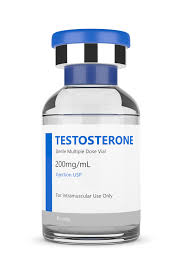
Testosterone is the primary male sex hormone (androgen). While it’s present in everyone, it’s found in much higher levels in people assigned male at birth. It’s responsible for the development of male reproductive tissues, secondary sexual characteristics, and plays a crucial role in overall health for all genders.
It’s produced primarily in the testicles in men and in the ovaries in women, with small amounts also produced by the adrenal glands in everyone.
The Core Functions: More Than Just “Male” Hormone
Its influence is vast and can be broken down into a few key areas:
1. Prenatal Development
This is where it all starts. In utero, testosterone is critical for the development of male reproductive organs (the Wolffian ducts, which become the epididymis, vas deferens, and seminal vesicles).
2. Puberty
This is when testosterone truly takes center stage, driving:
-
Virilization: The deepening of the voice, growth of facial and body hair, and increased muscle mass and bone density.
-
Reproductive Maturation: Growth of the penis and testicles, and the initiation of sperm production (spermatogenesis).
-
Behavioral Changes: Increases in libido (sex drive), and influences on mood, assertiveness, and competitive drive.
3. Adult Health Maintenance
Throughout life, testosterone continues to play a vital role:
-
Muscle Mass & Strength: It stimulates protein synthesis, helping build and maintain muscle.
-
Bone Density: It helps maintain strong bones. Low testosterone is a major risk factor for osteoporosis in men.
-
Fat Distribution: It influences how the body stores fat.
-
Red Blood Cell Production: It stimulates the bone marrow to produce red blood cells.
-
Libido & Sexual Function: It is a primary driver of sexual desire in both men and women. In men, it’s crucial for achieving and maintaining erections.
-
Cognitive Function: It influences memory, focus, and spatial awareness.
-
Mood & Energy: Balanced levels contribute to stable mood, motivation, and overall energy levels.
The Delicate Balance: Testosterone in Men vs. Women
| Aspect | Men | Women |
|---|---|---|
| Typical Levels | 300–1,000 ng/dL | 15–70 ng/dL |
| Primary Source | Testicles (95%) | Ovaries & Adrenal Glands |
| Role | Dominant sex hormone, key for male characteristics, reproduction, and overall vitality. | One of several important hormones. Crucial for libido, bone strength, muscle mass, mood, and cognitive function. Plays a role in ovarian function. |
| Too Low | Low libido, erectile dysfunction, fatigue, depression, muscle loss, weight gain, osteoporosis. | Low libido, fatigue, depression, decreased bone density, cognitive fog. |
| Too High | Acne, aggression, mood swings, testicular shrinkage, infertility, prostate issues, sleep apnea. | Acne, hirsutism (excess facial/body hair), male-pattern baldness, irregular periods, infertility, deepening of voice, mood swings. |
The “Low T” Epidemic & The Rise of TRT
In recent decades, there’s been a massive increase in awareness—and some argue over-diagnosis—of “Low T” (low testosterone). Testosterone levels naturally decline with age (about 1% per year after 30), but many men today have levels lower than their fathers did at the same age. Potential reasons include:
-
Obesity Epidemic: Fat tissue (especially visceral fat) contains an enzyme called aromatase, which converts testosterone into estrogen.
-
Lifestyle Factors: Chronic stress (raises cortisol, which opposes testosterone), poor sleep, sedentary behavior, and poor nutrition.
-
Environmental Toxins: Endocrine-disrupting chemicals (like BPA and phthalates in plastics) are suspected to play a role.
This has led to a booming market for Testosterone Replacement Therapy (TRT) . TRT can be life-changing for men with clinically low testosterone and genuine symptoms. However, it is a serious medical decision:
-
It is often a lifelong commitment. Starting TRT can cause the body to stop its own natural production, which may not recover if you stop.
-
It can cause infertility by shutting down sperm production.
-
Side effects can include polycythemia (dangerously high red blood cell count), worsening sleep apnea, acne, and potential cardiovascular risks.
Optimizing Testosterone Naturally
For many, the focus is on optimizing natural production before considering TRT. The foundational pillars are:
-
Sleep: This is the most powerful, non-negotiable factor. Most testosterone is produced during REM sleep. Aim for 7–9 hours of quality sleep.
-
Nutrition:
-
Healthy Fats: Testosterone is synthesized from cholesterol. Diets too low in healthy fats (avocados, nuts, olive oil, eggs) can hinder production.
-
Zinc & Magnesium: Critical minerals for testosterone production. Found in meat, shellfish, and leafy greens.
-
Avoid Processed Foods: Excessive sugar and processed foods drive insulin resistance and fat gain, which lower testosterone.
-
-
Exercise:
-
Resistance Training: Compound movements like squats, deadlifts, and bench presses are highly effective.
-
High-Intensity Interval Training (HIIT): Short bursts of intense effort can provide a significant boost.
-
Overtraining: Paradoxically, chronic endurance training (like marathon running) without adequate recovery can lower testosterone.
-
-
Stress Management: Chronic stress elevates cortisol. Cortisol and testosterone have an inverse relationship; when one is high, the other tends to be low.
-
Body Composition: Reducing excess body fat, especially visceral fat, is crucial to prevent the conversion of testosterone into estrogen.
The Bigger Picture & Nuance
It’s important to move beyond simplistic ideas like “testosterone = masculinity.” While it influences certain traits, it doesn’t dictate character. A man isn’t “more of a man” because he has high testosterone; in fact, extremely high levels can be detrimental.
Also, the conversation around testosterone is becoming more nuanced in women’s health, particularly regarding perimenopause and menopause, where testosterone therapy is increasingly being explored to help with libido, energy, and cognitive function.
So, where would you like to take this conversation? We could dive into:
-
The science of TRT: How it works, the different forms (gels, injections, pellets), and the risks/benefits in detail.
-
Natural optimization: A deeper look at specific diets, supplements, and training protocols.
-
Women and testosterone: Its role, symptoms of imbalance, and the debate around therapy for women.
-
Controversies: The “Low T” marketing phenomenon, the ethics of testosterone in sports, or the role of hormones in gender identity.
-
Mythbusting: Common misconceptions about testosterone and aggression, or the “roid rage” stereotype.
 EN
EN  IT
IT  FR
FR  ES
ES  DE
DE  NN
NN  NL
NL  SV
SV  FI
FI  PT
PT