Kirjoitettu

What are the natural ways to increase testosterone in a male?

Natural Ways to Increase Testosterone Levels in Men

Testosterone is the primary male hormone responsible for muscle growth, energy, libido, and overall vitality. While levels naturally decline with age, several evidence-based lifestyle habits can help optimize and increase testosterone production naturally.

Here are the most effective natural methods:

Maintain a Lean and Muscular Physique Staying relatively lean while having decent muscle mass is one of the best ways to support healthy testosterone levels. Excess body fat can increase estrogen and lower testosterone.

Practice Power Postures Adopting confident “Superman” or power poses for a few minutes daily may help boost testosterone and reduce stress hormones.


Be Competitive and Pursue Success Winning challenges, setting goals, and maintaining a competitive mindset in sports, business, or life can positively influence testosterone levels.


Eliminate Smoking and Limit Alcohol Quit smoking completely and reduce excessive alcohol consumption, as both can significantly suppress testosterone production.


Eat Enough Clean Calories Severe calorie restriction lowers testosterone. Consume sufficient high-quality calories from whole foods to fuel muscle growth and hormone production.


Focus on Compound Exercises Heavy compound lifts such as deadlifts, squats, bench presses, and overhead presses are highly effective for stimulating testosterone release.


Incorporate High-Intensity Interval Training (HIIT) Short, intense bursts of exercise are more beneficial for testosterone than long, steady cardio sessions.


Reduce Long-Duration Endurance Training Excessive running, cycling, or other prolonged endurance activities can lower testosterone levels over time


Prioritize Quality Sleep Aim for 7–9 hours of deep sleep every night. Most daily testosterone production occurs during sleep


Manage Stress Chronic stress elevates cortisol, which suppresses testosterone. Practices like meditation, deep breathing, or relaxation techniques can help


Optimize Your Sexual Life A healthy and regular sex life can support testosterone. For single men, limiting excessive masturbation (around 2–3 times per month) is sometimes recommended by those optimizing hormone levels


Eat Testosterone-Boosting Foods Focus on healthy fats and nutrient-dense foods such as:

  • Extra virgin olive oil, coconut oil, avocado oil, grass-fed butter, and animal fats
  • Meats, eggs, and high-quality proteins
  • Nuts, avocados, and certain fruits and vegetable


Limit Testosterone-Lowering Foods Reduce intake of: flaxseeds, licorice, soy products, trans fats, alcohol, mint/peppermint/spearmint, green tea in excess, and high-PUFA vegetable oils and nuts.

By consistently applying these habits, many men experience noticeable improvements in energy, strength, mood, and libido.

Alternatively, you can increase testosterone levels by applying testosterone gel – tetogel, androgel as TRT (testosterone replacement therapy). Or, you can get testosterone for your bodybuilding cycle at www.24HoursPPC.ORG

Kirjoitettu

Testosterone Replacement vs. Performance-Enhancing Steroids: Understanding the Difference

At first glance, testosterone replacement therapy (TRT) and anabolic steroids may appear similar. Both involve the use of synthetic or bioidentical testosterone, and both can lead to increases in muscle mass, strength, and recovery. However, the underlying purpose, approach, and philosophy behind each are fundamentally different.

Understanding this distinction requires looking beyond the substances themselves to the goals, protocols, and contexts in which they are used.


Purpose and Intent

The central difference lies in the objective.

Testosterone replacement therapy is designed to restore testosterone levels to a natural, healthy baseline. It is intended for individuals whose bodies produce insufficient testosterone—a condition often referred to as hypogonadism. The goal is not to exceed normal physiological levels but to bring a person back into the range where they feel healthy, energetic, and functionally strong. TRT aims to correct a deficiency and maintain long-term stability.

Performance-enhancing steroids, by contrast, are used to push the body beyond its natural limits. The objective is to achieve supraphysiological levels of androgens—levels significantly higher than what the body could produce on its own. This approach is focused on maximizing muscle growth, strength, and physical performance beyond what is attainable through natural training and nutrition alone.


Dosage and Protocol

The way these compounds are administered reflects their differing goals.

In testosterone replacement, the focus is on consistency and stability. Doses are carefully calibrated to mimic the body’s natural production, keeping levels within a normal physiological range. Injections or other delivery methods are typically scheduled to maintain steady levels without dramatic peaks or valleys. The approach is long-term and aimed at sustainability.

With performance-enhancing steroids, protocols often involve higher doses, frequently exceeding what the body could naturally produce. Cycles may include multiple compounds stacked together, and dosing schedules are designed to maximize anabolic effects within a specific timeframe. These cycles are typically followed by periods where use is reduced or discontinued—a pattern intended to manage the body’s response to supraphysiological exposure.


Rate of Results

The pace of visible change is another distinguishing factor.

Testosterone replacement produces gradual changes. When a deficiency is corrected, individuals may notice improved energy, mood, and libido over weeks to months. Physical changes such as increased muscle mass and reduced body fat occur slowly, aligning with what would be expected from consistent training and recovery in a person with normalized hormone levels.

Performance-enhancing steroids, used at higher doses, can produce rapid and dramatic transformations. Muscle mass and strength can increase at a pace unattainable through natural means. This accelerated rate of change is one of the primary drivers of their use in performance-oriented contexts.


Monitoring and Stability

The philosophy of management also differs significantly.

Testosterone replacement emphasizes regular monitoring and fine-tuning. The goal is to maintain levels within a consistent, healthy range over the long term. Adjustments are made based on how an individual feels and their specific physiological markers, with an emphasis on balance and stability.

Performance-enhancing steroid use often involves cycling—periods of active use followed by periods of lower or no use. This cyclical pattern is designed to manage the body’s response to supraphysiological doses and to create distinct phases of building and recovery.


A Spectrum, Not a Simple Divide

While the distinctions above highlight clear differences, it is worth noting that the two approaches exist on a spectrum. An individual on testosterone replacement may experience improved body composition and strength as a natural consequence of restored hormone levels. Conversely, some who use performance-enhancing steroids may start with the goal of exceeding natural limits but later transition to a maintenance-focused approach.

The key differentiator remains intent and execution: whether the goal is to restore normal function or to deliberately surpass it.


Johtopäätös

Testosterone replacement and performance-enhancing steroids share a common biological foundation but diverge sharply in purpose, protocol, and outcome. One is centered on restoring balance and addressing deficiency. The other is focused on amplifying performance beyond natural capacity.

Recognizing the difference is not about assigning value to one over the other but about understanding that the same compound can serve radically different functions depending on how it is used. The intent behind the use, the doses involved, and the overall approach ultimately define where a protocol falls on the spectrum between therapeutic restoration and performance amplification.

You can buy anabolic steroids online at www.24HoursPPC.ORG

Kirjoitettu

What is Testosterone?

Testosterone is the primary male sex hormone (androgen). While it’s present in everyone, it’s found in much higher levels in people assigned male at birth. It’s responsible for the development of male reproductive tissues, secondary sexual characteristics, and plays a crucial role in overall health for all genders.

It’s produced primarily in the testicles in men and in the ovaries in women, with small amounts also produced by the adrenal glands in everyone.


The Core Functions: More Than Just “Male” Hormone

Its influence is vast and can be broken down into a few key areas:

1. Prenatal Development

This is where it all starts. In utero, testosterone is critical for the development of male reproductive organs (the Wolffian ducts, which become the epididymis, vas deferens, and seminal vesicles).

2. Puberty

This is when testosterone truly takes center stage, driving:

  • Virilization: The deepening of the voice, growth of facial and body hair, and increased muscle mass and bone density.

  • Reproductive Maturation: Growth of the penis and testicles, and the initiation of sperm production (spermatogenesis).

  • Behavioral Changes: Increases in libido (sex drive), and influences on mood, assertiveness, and competitive drive.

3. Adult Health Maintenance

Throughout life, testosterone continues to play a vital role:

  • Muscle Mass & Strength: It stimulates protein synthesis, helping build and maintain muscle.

  • Bone Density: It helps maintain strong bones. Low testosterone is a major risk factor for osteoporosis in men.

  • Fat Distribution: It influences how the body stores fat.

  • Red Blood Cell Production: It stimulates the bone marrow to produce red blood cells.

  • Libido & Sexual Function: It is a primary driver of sexual desire in both men and women. In men, it’s crucial for achieving and maintaining erections.

  • Cognitive Function: It influences memory, focus, and spatial awareness.

  • Mood & Energy: Balanced levels contribute to stable mood, motivation, and overall energy levels.


The Delicate Balance: Testosterone in Men vs. Women

Aspect Men Women
Typical Levels 300–1,000 ng/dL 15–70 ng/dL
Primary Source Testicles (95%) Ovaries & Adrenal Glands
Role Dominant sex hormone, key for male characteristics, reproduction, and overall vitality. One of several important hormones. Crucial for libido, bone strength, muscle mass, mood, and cognitive function. Plays a role in ovarian function.
Too Low Low libido, erectile dysfunction, fatigue, depression, muscle loss, weight gain, osteoporosis. Low libido, fatigue, depression, decreased bone density, cognitive fog.
Too High Acne, aggression, mood swings, testicular shrinkage, infertility, prostate issues, sleep apnea. Acne, hirsutism (excess facial/body hair), male-pattern baldness, irregular periods, infertility, deepening of voice, mood swings.

The “Low T” Epidemic & The Rise of TRT

In recent decades, there’s been a massive increase in awareness—and some argue over-diagnosis—of “Low T” (low testosterone). Testosterone levels naturally decline with age (about 1% per year after 30), but many men today have levels lower than their fathers did at the same age. Potential reasons include:

  • Obesity Epidemic: Fat tissue (especially visceral fat) contains an enzyme called aromatase, which converts testosterone into estrogen.

  • Lifestyle Factors: Chronic stress (raises cortisol, which opposes testosterone), poor sleep, sedentary behavior, and poor nutrition.

  • Environmental Toxins: Endocrine-disrupting chemicals (like BPA and phthalates in plastics) are suspected to play a role.

This has led to a booming market for Testosterone Replacement Therapy (TRT) . TRT can be life-changing for men with clinically low testosterone and genuine symptoms. However, it is a serious medical decision:

  • It is often a lifelong commitment. Starting TRT can cause the body to stop its own natural production, which may not recover if you stop.

  • It can cause infertility by shutting down sperm production.

  • Sivuvaikutukset can include polycythemia (dangerously high red blood cell count), worsening sleep apnea, acne, and potential cardiovascular risks.


Optimizing Testosterone Naturally

For many, the focus is on optimizing natural production before considering TRT. The foundational pillars are:

  1. Sleep: This is the most powerful, non-negotiable factor. Most testosterone is produced during REM sleep. Aim for 7–9 hours of quality sleep.

  2. Nutrition:

    • Healthy Fats: Testosterone is synthesized from cholesterol. Diets too low in healthy fats (avocados, nuts, olive oil, eggs) can hinder production.

    • Zinc & Magnesium: Critical minerals for testosterone production. Found in meat, shellfish, and leafy greens.

    • Avoid Processed Foods: Excessive sugar and processed foods drive insulin resistance and fat gain, which lower testosterone.

  3. Exercise:

    • Resistance Training: Compound movements like squats, deadlifts, and bench presses are highly effective.

    • High-Intensity Interval Training (HIIT): Short bursts of intense effort can provide a significant boost.

    • Overtraining: Paradoxically, chronic endurance training (like marathon running) without adequate recovery can lower testosterone.

  4. Stress Management: Chronic stress elevates cortisol. Cortisol and testosterone have an inverse relationship; when one is high, the other tends to be low.

  5. Body Composition: Reducing excess body fat, especially visceral fat, is crucial to prevent the conversion of testosterone into estrogen.


The Bigger Picture & Nuance

It’s important to move beyond simplistic ideas like “testosterone = masculinity.” While it influences certain traits, it doesn’t dictate character. A man isn’t “more of a man” because he has high testosterone; in fact, extremely high levels can be detrimental.

Also, the conversation around testosterone is becoming more nuanced in women’s health, particularly regarding perimenopause and menopause, where testosterone therapy is increasingly being explored to help with libido, energy, and cognitive function.


So, where would you like to take this conversation? We could dive into:

  • The science of TRT: How it works, the different forms (gels, injections, pellets), and the risks/benefits in detail.

  • Natural optimization: A deeper look at specific diets, supplements, and training protocols.

  • Women and testosterone: Its role, symptoms of imbalance, and the debate around therapy for women.

  • Controversies: The “Low T” marketing phenomenon, the ethics of testosterone in sports, or the role of hormones in gender identity.

  • Mythbusting: Common misconceptions about testosterone and aggression, or the “roid rage” stereotype.


Sinä pystyt purchase testosterone online at www.24HoursPPC.ORG

Kirjoitettu

Does Training Legs Increase Testosterone? Here’s What You Need to Know

Let’s be honest—training legs can feel like the worst part of any workout routine. But if you’re serious about boosting your testosterone levels, leg day is non-negotiable.

So, does training legs increase testosterone? Yes, it absolutely does.

While resistance training in general has been shown to elevate testosterone levels, skipping leg workouts means missing out on one of the most significant hormonal responses your body can produce. Unfortunately, many people overlook this crucial benefit.

Here’s why training your legs is one of the most effective ways to naturally increase testosterone.


1. Leg Workouts Target Multiple Large Muscle Groups

When you train your legs, you’re not working just one small muscle—you’re engaging several major muscle groups simultaneously, including:

  • Quadriceps

  • Hamstrings

  • Glutes

  • Calves

These are among the largest muscle groups in the body. By activating them together, you recruit a higher number of muscle fibers, many of which are directly associated with hypertrophy (muscle growth) and strength gains. The more muscle fibers you engage, the greater the anabolic signal sent to your endocrine system—triggering testosterone release.


2. Heavy Compound Lifts Stimulate Hormonal Response

Have you ever noticed that compound leg exercises—like squats, deadlifts, and leg presses—allow you to lift heavier weights compared to isolation movements?

That’s because compound movements engage multiple joints and muscle groups, enabling greater mechanical tension. Heavy, compound lifts activate anabolic signaling pathways, which directly stimulate the production and release of testosterone.

But there’s more. Lifting heavy also creates significant neural stress. In response, your body releases hormones like testosterone to support muscle repair and recovery. In other words, the harder your legs work, the stronger your hormonal response.


3. Leg Training Triggers Luteinizing Hormone (LH) Release

Luteinizing hormone (LH) plays a key role in regulating reproductive function. When you perform intense leg workouts, your pituitary gland responds by releasing LH.

Why does that matter?

Because LH is a direct trigger for testosterone production. When LH levels rise, your testes receive the signal to produce and release more testosterone. This makes leg training uniquely effective at initiating a cascade of hormonal events that support muscle growth, recovery, and overall vitality.


Don’t Skip Leg Day

We all enjoy upper-body training—it’s where many of us see the most visible results. But if your goal is to maximize testosterone levels naturally, understanding the importance of leg day is essential.

By incorporating compound leg movements, lifting heavy, and consistently challenging your lower body, you can unlock a powerful hormonal response that benefits your entire body.

So, does training legs increase testosterone? Yes. And if you’ve been skipping leg day, now is the time to make it a priority.


Ready to take your fitness to the next level?
Visit www.24HoursPPC.org for premium support to help you reach your goals.

Kirjoitettu

The Inner Symphony: Balancing Estrogen and Androgens in Women

The conversation about female hormones often focuses solely on estrogen and progesterone. However, this overlooks a crucial player: androgens, often labeled “male hormones.” In reality, women naturally produce androgens like testosterone, and the delicate balance between these and estrogen is fundamental to a woman’s health, vitality, and well-being.

Estrogen is the maestro of the female reproductive system, regulating the menstrual cycle, supporting pregnancy, and maintaining bone density, skin health, and cardiovascular function. It promotes the development of female secondary sex characteristics and is essential for lubricating tissues and a stable mood.

Androgens, produced in the ovaries and adrenal glands, are not antagonists to this process but vital contributors. In healthy amounts, they provide the essential building blocks for estrogen production and are responsible for:

  • Energy and Vitality: Supporting muscle strength, stamina, and overall motivation.

  • Libido: Playing a primary role in fueling sex drive and sexual responsiveness.

  • Bone Health: Contributing to the maintenance of strong, dense bones.

  • Mood Regulation: Influencing a sense of well-being and confidence.

The goal is not to eliminate androgens but to maintain their harmonious balance with estrogen. When this balance is disrupted, symptoms can arise.

  • Androgen Excess: A relative excess of androgens, often seen in conditions like Polycystic Ovary Syndrome (PCOS), can lead to symptoms such as acne, hirsutism (unwanted hair growth), hair thinning on the scalp, and irregular periods.

  • Androgen Deficiency: Conversely, low levels can contribute to a persistent lack of energy (fatigue), reduced muscle mass, a diminished sense of well-being, and a notably low libido.

  • Estrogen Dominance: This state, where estrogen is high relative to progesterone (and sometimes androgens), can cause weight gain, mood swings, bloating, and heavy periods.

This hormonal interplay is a finely tuned symphony, not a battle between opposites. Factors like stress, diet, exercise, and age can all influence this delicate equilibrium. Understanding that both estrogen and androgens are essential, complementary forces highlights the importance of a holistic approach to female health—one that seeks not to eliminate but to harmonize.

Kirjoitettu

The Delicate Dance: Understanding Estrogen and Androgen Balance in Men

When we think about hormones in men, testosterone often takes center stage. However, its often-overlooked partner, estrogen, plays an equally critical role in a complex and delicate hormonal dance. Contrary to popular belief, estrogen is not just a “female hormone”; it is essential for male health, and its balance with testosterone (an androgen) is crucial for overall well-being.

Testosterone is the primary driver of male characteristics, such as muscle mass, bone density, libido, and facial hair. But a significant portion of a man’s testosterone is naturally converted into estrogen, specifically estradiol, through a process called aromatization. This is not a flaw—it’s a vital biological function.

The key to optimal health is not maximizing testosterone and minimizing estrogen, but rather maintaining a precise balance between the two. This equilibrium supports:

  • Healthy Bone Density: Estrogen is the primary hormone responsible for closing bone growth plates and maintaining bone strength throughout a man’s life. Low estrogen levels can lead to osteoporosis and increased fracture risk.

  • Brain Function: Estrogen supports cognitive function, memory, and a positive mood. Imbalances have been linked to fatigue, irritability, and “brain fog.”

  • Cardiovascular Health: Estrogen contributes to healthy cholesterol metabolism and supports the flexibility of blood vessels.

  • Libido and Sexual Function: Both hormones are essential for a healthy sex drive. While testosterone fuels desire, estrogen helps regulate it and is necessary for achieving normal erections.

An imbalance, where either hormone is too high or too low relative to the other, can lead to issues. For example, excessively high estrogen coupled with low testosterone can contribute to weight gain, gynecomastia (development of breast tissue), and water retention. Conversely, low estrogen can weaken bones and disrupt metabolic health.

Ultimately, male hormonal health is a symphony, not a solo performance. The intricate interplay between estrogen and androgens like testosterone is fundamental to everything from physical strength and vitality to mental clarity and longevity. Acknowledging and supporting this balance is a cornerstone of truly holistic health for men.

Kirjoitettu

Anabolic Steroids: Enhancing Muscle Mass and Physical Form

Anabolic-androgenic steroids (AAS) are synthetic substances modeled after the primary male sex hormone, testosterone. Their primary function is to promote the growth of skeletal muscle and the development of male sexual characteristics, making them a powerful agent for physical transformation.

The fundamental way anabolic steroids work is by dramatically enhancing the body’s anabolic processes. They enter muscle cells and bind to androgen receptors, which directly stimulates the cell’s DNA to increase the rate of protein synthesis. This means the body builds new muscle tissue far more efficiently and rapidly than is naturally possible, leading to significant gains in muscle size and strength, a state known as a positive nitrogen balance.

Furthermore, anabolic steroids greatly increase the body’s red blood cell production. This elevates the blood’s oxygen-carrying capacity, which can drastically improve muscular endurance and recovery. This allows for more intense, frequent, and longer training sessions, which in turn contributes further to muscle hypertrophy and a faster attainment of fitness goals.

The visual results of these mechanisms are profound. Users often experience a rapid increase in lean body mass, a dramatic reduction in body fat, and enhanced muscle vascularity and definition. The overall physique becomes more muscular, denser, and leaner, projecting an image of peak physical conditioning and power.

In summary, through their potent stimulation of protein synthesis, improvement in recovery, and promotion of a lean body composition, anabolic steroids are recognized for their ability to rapidly and significantly enhance muscle mass and overall physical outlook.

Sinä pystyt purchase anabolic steroids at 24HoursPPC.ORG

Kirjoitettu

Human Growth Hormone and Anti-Aging: Potential Benefits

The quest to slow the visible signs of aging has led to exploring various scientific avenues, one of the most controversial being Human Growth Hormone (HGH). Naturally produced by the pituitary gland, HGH is crucial for growth, cell repair, and metabolism during youth. As we age, our HGH levels decline significantly, which has spurred interest in using synthetic HGH as an anti-aging therapy.

Proponents point to several potential advantages based on clinical studies and user reports:

Improved Body Composition: Studies have shown that HGH therapy can help decrease body fat, particularly abdominal fat, and increase lean muscle mass. This can lead to a more youthful and toned physique.

Enhanced Skin Health: HGH may contribute to thicker, more elastic skin. It can stimulate the production of collagen, reducing the appearance of wrinkles and improving overall skin texture.

Increased Energy and Stamina: Some users report a significant boost in energy levels, reduced fatigue, and an enhanced sense of overall well-being.

Better Bone Density: HGH plays a role in bone building and maintenance. For some, therapy may help improve bone mineral density, which naturally declines with age.

Mood and Cognitive Function: Anecdotal evidence suggests potential improvements in mood and cognitive function, though this is less conclusively proven by rigorous scientific studies.

Kirjoitettu

Anaboliset steroidit vanhuudessa

On hyvin tunnettua, että kokonaistestosteroni laskee iän myötä 50-55-vuotiailla miehillä. 0,8-1,61 TP1T/vuosi, kun taas vapaa testosteroni alkaa pudota 30-35 vuodesta 2-3% vuodessa. 70 vuoden iässä miehen testosteronitaso voi laskea jopa 50 prosenttia. Testosteronin laskun ongelma on lääketieteen kiireellisimmistä. Nykyään tiedämme, että miehet menevät andropaussiin iän myötä, kuten naisten vaihdevuodet.

Syynä tähän laskuun on hypotalamus-aivolisäke-kives-akselin (HPTA) toimintahäiriö sekä sukupuolihormoneja sitovan globuliinin pitoisuuden nousu.

Aikaisemmin uskottiin, että testosteronin rooli on tärkeä vain toissijaisille seksuaalisille ominaisuuksille, libidolle ja siittiöiden tuotannosta, mutta nyt on todistettu, että tämä hormoni vaikuttaa lähes kaikkiin kehon elintärkeisiin järjestelmiin. Testosteroni vaikuttaa virtsaelimistöön, aivoihin, lihaksiin, luuhun, rasvakudokseen ja ihosoluihin. Äskettäin on havaittu, että alhainen testosteronitaso lisää diabeteksen riskiä. Sen lisäksi, että testosteroni on vastuussa kudosten verenkierrosta, sillä alhainen testosteronitaso voi johtaa verenkierron heikkenemiseen.

Andropaussin kliiniset merkit

Testosteronin puute aiheuttaa häiriöitä lähes kaikissa järjestelmissä ja kudoksissa. ”Muisti heikkenee, huomion keskittyminen heikkenee, henkinen valppaus katoaa. Potilaan silmät näyttävät haalistuvat, pää ja hartiat ovat alhaalla, lihakset veltostuvat, vatsa suurenee, rintakehä tulee enemmän naisen kaltaiseksi. Alhaisen testosteronitason vuoksi luut haurastuvat ja iho ohenee.

Andropaussin tärkeimmät merkit ja oireet ovat:

  • Sukuelinten häiriöt:
  • vähentynyt sukupuolihalu ja erektiohäiriöt
  • alentunut hedelmällisyys
  • toistuva virtsaaminen
  • Verisuonihäiriöt:
  • äkillinen kasvojen, kaulan, ylävartalon hyperemia
  • kuumia aaltoja
  • verenpaineen vaihtelut
  • kipu sydämessä
  • huimaus
  • hengenahdistuksen tunne
  • Mielenterveyshäiriöt:
  • lisääntynyt ärtyneisyys
  • nopea väsymys
  • muistin ja huomion heikkeneminen
  • unettomuus
  • masennustilat
  • yleisen terveyden ja suorituskyvyn heikkeneminen
  • Somaattiset häiriöt:
  • lihasmassan ja voiman väheneminen
  • luiden hauraus
  • gynekomastia
  • lihavuus
  • kaljuuntuminen
  • ihon oheneminen
  • kokonais- ja biologisesti saatavan testosteronin tason lasku
  • kohonneet estradiolin ja sukupuolihormoneja sitovan globuliinin tasot
  • anemia
  • lisääntynyt kolesteroli

Andropaussin ikä

Andropaussin puhkeamisen todennäköisyys kasvaa iän myötä.

Andropaussin ikä

  • 40-49 vuotta 2-5%
  • 50-59 vuotta 6-40%
  • 60-69 vuotta 20-45%
  • 70-79 vuotta 34-70%
  • yli 80 vuotta 90%

Anabolisten steroidien sivuvaikutukset vanhuudessa

Kasvaimet

Iäkkäillä urheilijoilla verenpainetaudin, verisuonten ateroskleroosin, sydänlihasiskemian ja pahanlaatuisten kasvainten (eturauhanen, maitorauhaset, suolet jne.) riski on paljon suurempi ja kasvaa iän myötä. Koska anaboliset steroidit lisäävät solujen jakautumisnopeutta, aiemmin uskottiin, että nämä lääkkeet voivat lisätä mutaatioiden esiintymistiheyttä. Jos nuoruudessa mutanttisolujen määrä on pienempi ja immuunijärjestelmä on aktiivisempi, keho selviää tästä ongelmasta. Mutta 40 vuoden kuluttua immuunijärjestelmä heikkenee, mutatoituneiden solujen määrä alkaa kasvaa nopeasti - seurauksena voi esiintyä kasvaimia. Nykyaikaiset kokeelliset tiedot kuitenkin kieltävät steroidien karsinogeenisen vaikutuksen, lukuun ottamatta eturauhasta ja maksaa (jos käytetään maksatoksisia 17-alkyloituja lääkkeitä).

Eturauhasen turvotus ja hypertrofia

5-alfa-reduktaasin estäjien käyttö on erittäin tehokasta hyvänlaatuisessa eturauhasen liikakasvussa (BPH). Tässä suhteessa on oletettu eksogeenisten androgeenien mahdollisesta negatiivisesta vaikutuksesta eturauhaseen. Samalla todettiin, että useimmiten nämä sairaudet ilmaantuvat vanhuudessa, eli androgeenitasojen laskusta huolimatta.

Lukuisat molekyylitutkimukset ovat osoittaneet, että pääasiallinen patogeneettinen tekijä BPH:n kehittymisessä on solunsisäinen 5-alfa-reduktaasiaktiivisuuden lisääntyminen, mikä johtaa 5-alfa-dihydrotestosteronin tason nousuun eturauhassoluissa, eikä plasman testosteronin lisääntymiseen. taso.

Näin ollen BPH:n ei katsota olevan androgeenikorvaushoidon vasta-aihe. Monet tutkimukset eivät ole löytäneet korrelaatiota plasman testosteronitasojen ja eturauhassyövän esiintyvyyden välillä.

Eturauhasen liikakasvun yhteydessä testosteronia käytetään yhdessä 5-alfa-reduktaasin estäjien (finasteridin) kanssa hormonikorvaushoitona. Tämä vähentää jonkin verran syklin tehokkuutta, mutta vähentää merkittävästi androgeenisten sivuvaikutusten kehittymistä, mukaan lukien eturauhanen. Lisäksi on suositeltavaa suorittaa ennaltaehkäisevä tutkimus 2 kertaa vuodessa sekä eturauhasspesifisen antigeenin laboratoriomittaus.

Alopecia (kaljuuntuminen)

Päänahan hiustenlähtö liittyy myös DHT:n lisääntymiseen, joten yhdistelmähoito Finasteridin tai Dutasteridin kanssa voi tehokkaasti estää hiustenlähtöä.

Testosteronin erityksen estäminen

Kuten tiedät, androgeenien käytöllä on mahdollista tukahduttaa kivesten endokriininen toiminta ja spermatogeneesi negatiivisen palautteen mekanismin kautta. Tämä vaikutus on erityisen havaittavissa käytettäessä anabolisia steroideja pitkällä aikavälillä suurina annoksina.

Samaan aikaan 240 mg:n testosteroniundekanoaatin (ANDRIOL) nauttimiseen kuuden kuukauden ajan ei liittynyt spermatogeneesin normaalin alkutason laskua. Muut tutkimukset eivät myöskään osoittaneet merkittävää normaalien gonadotropiinitasojen tai endogeenisen testosteronin suppressiota tällä lääkkeellä, mikä johtuu todennäköisesti testosteronin undekanoaatin lyhyestä puoliintumisajasta.

Siten riittävä syklin jälkeinen hoito voi poistaa tämän komplikaatiosta, jos andropaussia ei ole vielä tapahtunut. Andropaussin alkamisen jälkeen suositellaan jatkuvaa hormonihoitoa.

Kivesatrofia

Koska palautemekanismi estää gonadotropiinien erittymistä, anabolisten steroidien pitkäaikaisessa käytössä voi kehittyä kivesten surkastumista ja herkkyyttä. Toisin sanoen eksogeenisen testosteronin käytön lopettamisen jälkeen kivekset eivät palauta kykyään erittää omaa testosteroniaan. Siksi pitkiä kiertoja tulee täydentää gonadotropiinilla.

Erytremia

Testosteronihoito johtaa usein hematokriitin nousuun fysiologisten arvojen yläpuolelle erytropoieesin jatkuvan stimuloinnin vuoksi (liittyy erytropoietiinin lisääntyneeseen tuotantoon androgeenien vaikutuksen alaisena). Useimmat kirjoittajat suosittelevat steroidiannoksen pienentämistä, kun hematokriittiarvot ovat yli 51%, ja lääkkeen käytön lopettamista, kun arvot ovat yli 54%.

Ateroskleroosi

Kiistanalainen kysymys on eksogeenisten androgeenien vaikutus veren lipiditasoihin. Perinteisesti uskotaan, että lisääntynyt ateroskleroosin ja sepelvaltimotaudin riski miehillä verrattuna lisääntymisiässä oleviin naisiin liittyy androgeenien negatiiviseen vaikutukseen lipidiprofiiliin. Useat tutkimukset ovat kuitenkin osoittaneet, että testosteronin antaminen johtaa aterogeenisten VLDL- ja LDL-tasojen laskuun, kun taas antiaterogeeniset HDL-tasot ovat suhteellisen muuttumattomia.

TRT vanhuksille

Tärkeimmät miesten androgeenikorvaushoidon lääkkeet ovat testosteroniesterit. Lääkkeitä on suun kautta, ruiskeena ja ihon läpi. Tällä hetkellä C17-alkyloitu testosteroni (metyylitestosteroni), jolla on suun kautta otettuna myrkyllinen ja karsinogeeninen vaikutus maksaan, on käytännössä poissa käytöstä. Kasvuhormoni on saamassa suosiota, joka pystyy nuorentamaan ihoa sekä vahvistamaan niveliä ja nivelsiteitä.

Testosteroni Enanthate ja Testosteronisypionaatti ovat yleisin testosteroni Yhdysvalloissa. Siten sopiva annostusohjelma on lääkkeen lihaksensisäinen antaminen 1 ml:n annoksena kerran 3 viikossa. Usein korvaava annos määrätään 3 kuukauden kuluessa, jonka jälkeen peruutus enintään 3 kuukauden ajaksi.

Uudet lääkkeet

Tiedemiehet etsivät jatkuvasti täydellisempiä lääkkeitä. Nyt esimerkiksi ruiskeena käytettävä huume Nebido ilmestyi, joka on pistettävä neljä kertaa vuodessa. Lääke tarjoaa vakaan testosteronin pitoisuuden kolmen kuukauden ajan: "öljyvaraston" asteittaisen vapautumisen vuoksi.

Testogels ja testosteronilaastarit ovat saamassa suosiota ympäri maailmaa, koska niitä on kiinnitettävä iholle kerran päivässä.

Suhteellisen äskettäin luotiin uusi testosteronin annostelumuoto – tabletti kielen alle tai levyt, jotka kiinnitetään ikeniin. Nämä menetelmät ovat kliinisissä kokeissa.


Kirjoitettu

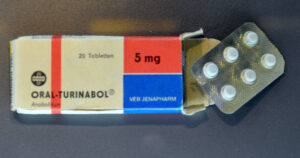
Oraalinen turinabol

Turinabol (Turanabol) on AAS, joka on vaikutukseltaan ja kemiallisesti rakenteeltaan samanlainen kuin methandrostenolone. Toisin kuin metaani, turinabol sisältää ylimääräisen klooriatomin neljännessä hiiliatomissa. Alun perin sen kehitti saksalainen lääkeyhtiö Jenapharm, ja se patentoitiin vuonna 1961.

Turinabol profiili

  • Anaboliset ominaisuudet – 180%
  • Androgeeniset ominaisuudet – 50%
  • Muuntaminen estrogeeniksi - ei
  • HPTA-suppressio – kohtalainen-korkea
  • Maksamyrkyllisyys – kohtalainen
  • Antotapa - tabletit
  • Puoliintumisaika - 16 tuntia
  • Havaitsemisaika – jopa 250 päivää (pitkäikäisten rasvaliukoisten metaboliittien vuoksi)

Maksimipitoisuus plasmassa 3 tuntia annon jälkeen.

Kuvaus

Lääkettä voidaan kuvata Methandrostenoloneksi ilman vedenpidätystä.

Se on hitaasti vaikuttava steroidi. Syklin aikana paino, voima ja helpotus edistyvät hyvin hitaasti, mutta tulokset ovat vaikuttavia.

Toinen lääkkeen ominaisuus on estrogeeniin liittyvien sivuvaikutusten puuttuminen, vedenpidätys, gynekomastia jne

Lisäksi on havaittu, että SHBG:n pitoisuus laskee, minkä vuoksi veren testosteronitasot nousevat. On myös näyttöä siitä, että turinabol vähentää veritulppien riskiä verisuonissa ja sydämessä.

Kierrä

Säännöllinen annos vähiten sivuvaikutuksineen on 20-40 mg/pd, joka tulee jakaa kolmeen osaan. Kehonrakentajat kuitenkin usein laiminlyövät tämän ja nostavat annoksen 100-150 mg:aan päivässä.

Lääkettä voidaan käyttää sekä lihasmassan kasvattamiseen että kuivaamiseen. Turinabol-sykli ei vaadi gonadotropiinin sisällyttämistä (jos se ei ylitä 6-8 viikkoa), mutta PCT suoritetaan estrogeenireseptorin salpaajilla (tamoksifeeni).


Turinabol-soolosykliä pidetään yhtenä helpoimmista ja turvallisimmista kehonrakennuksessa, joten sitä suositellaan usein aloittelijoille. Ensimmäisellä syklillä optimaalisena annoksena pidetään 40 mg / vrk 6 viikon ajan. Näin voit saada vaikuttavia tuloksia sekä korkealaatuisen lihasmassan kasvattamisen että nopeus-voimatulosten edistymisen kannalta.

Lihasmassan kasvattamiseen sopii paremmin yhdistetty kurssi Turinabol (20 mg päivässä) + testosteronin enanthate 250 mg viikossa (tai + sustanon). Jakson kesto on 6 viikkoa. Ensin enanthate peruutetaan ja viikon kuluttua turinabol.

Urheilijoille, jotka eivät ole kiinnostuneita kasvattamaan painoa ja jotka pyrkivät lisäämään nopeutta ja kestävyyttä (nyrkkeilijät, painijat, juoksijat jne.), suositellaan pienempiä annoksia – 10-20 mg päivässä.

On kuitenkin muistettava, että turinaboli voidaan nykyään helposti havaita dopingtesteissä pitkäikäisten metaboliittien ansiosta, jotka voidaan havaita kuudesta kahdeksaan kuukaudessa. Kaasukromatografia-massaspektrometrian viimeisin kehitys on edistänyt suuresti tätä uskomattoman pitkää havaitsemisjaksoa.

Sivuvaikutukset

Turinabol on 17-alkyloitu anabolinen steroidi, joka mahdollistaa oraalisen antamisen, mikä aiheuttaa maksatoksisuutta, joka on verrattavissa methandrostenoloniin. Yleensä sivuvaikutukset ovat melko harvinaisia ja liittyvät useimmiten liian pitkään sykliin ja suuriin annoksiin. Tämä lääke estää voimakkaasti oman testosteroninsa erittymistä.

Laadullinen testi

Halogeenin (kloorin) läsnäolo turinabolimolekyylissä mahdollistaa väärennöksen havaitsemisen jopa kotona. On olemassa kvalitatiivinen menetelmä halogeenien määrittämiseksi näytteestä – Beilsteinin testi.

Kokeen suorittamiseksi tarvitset kaasupolttimen, kuparilangan ja analysoitavan näytteen. Näyte jauhetaan homogeeniseksi jauheeksi. Taivutamme kuparilangan päätä tekemällä silmukan ja pidämme sitä polttimen liekissä, kunnes liekin vihertävä sävy katoaa. Seuraavaksi poistamme langan liekistä, asetamme silmukalle kuivan näytteen ja laitamme sen takaisin polttimen liekkiin. Jos se muuttuu vihreäksi, näyte on positiivinen.