Publié le

What are the natural ways to increase testosterone in a male?

Natural Ways to Increase Testosterone Levels in Men

Testosterone is the primary male hormone responsible for muscle growth, energy, libido, and overall vitality. While levels naturally decline with age, several evidence-based lifestyle habits can help optimize and increase testosterone production naturally.

Here are the most effective natural methods:

Maintain a Lean and Muscular Physique Staying relatively lean while having decent muscle mass is one of the best ways to support healthy testosterone levels. Excess body fat can increase estrogen and lower testosterone.

Practice Power Postures Adopting confident “Superman” or power poses for a few minutes daily may help boost testosterone and reduce stress hormones.


Be Competitive and Pursue Success Winning challenges, setting goals, and maintaining a competitive mindset in sports, business, or life can positively influence testosterone levels.


Eliminate Smoking and Limit Alcohol Quit smoking completely and reduce excessive alcohol consumption, as both can significantly suppress testosterone production.


Eat Enough Clean Calories Severe calorie restriction lowers testosterone. Consume sufficient high-quality calories from whole foods to fuel muscle growth and hormone production.


Focus on Compound Exercises Heavy compound lifts such as deadlifts, squats, bench presses, and overhead presses are highly effective for stimulating testosterone release.


Incorporate High-Intensity Interval Training (HIIT) Short, intense bursts of exercise are more beneficial for testosterone than long, steady cardio sessions.


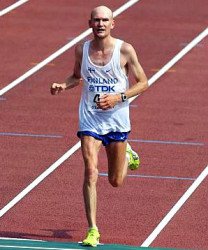
Reduce Long-Duration Endurance Training Excessive running, cycling, or other prolonged endurance activities can lower testosterone levels over time


Prioritize Quality Sleep Aim for 7–9 hours of deep sleep every night. Most daily testosterone production occurs during sleep


Manage Stress Chronic stress elevates cortisol, which suppresses testosterone. Practices like meditation, deep breathing, or relaxation techniques can help


Optimize Your Sexual Life A healthy and regular sex life can support testosterone. For single men, limiting excessive masturbation (around 2–3 times per month) is sometimes recommended by those optimizing hormone levels


Eat Testosterone-Boosting Foods Focus on healthy fats and nutrient-dense foods such as:

  • Extra virgin olive oil, coconut oil, avocado oil, grass-fed butter, and animal fats
  • Meats, eggs, and high-quality proteins
  • Nuts, avocados, and certain fruits and vegetable


Limit Testosterone-Lowering Foods Reduce intake of: flaxseeds, licorice, soy products, trans fats, alcohol, mint/peppermint/spearmint, green tea in excess, and high-PUFA vegetable oils and nuts.

By consistently applying these habits, many men experience noticeable improvements in energy, strength, mood, and libido.

Alternatively, you can increase testosterone levels by applying testosterone gel – tetogel, androgel as TRT (testosterone replacement therapy). Or, you can get testosterone for your bodybuilding cycle at www.24HoursPPC.ORG

Publié le

Testosterone Replacement vs. Performance-Enhancing Steroids: Understanding the Difference

At first glance, testosterone replacement therapy (TRT) and anabolic steroids may appear similar. Both involve the use of synthetic or bioidentical testosterone, and both can lead to increases in muscle mass, strength, and recovery. However, the underlying purpose, approach, and philosophy behind each are fundamentally different.

Understanding this distinction requires looking beyond the substances themselves to the goals, protocols, and contexts in which they are used.


Purpose and Intent

The central difference lies in the objective.

Testosterone replacement therapy is designed to restore testosterone levels to a natural, healthy baseline. It is intended for individuals whose bodies produce insufficient testosterone—a condition often referred to as hypogonadism. The goal is not to exceed normal physiological levels but to bring a person back into the range where they feel healthy, energetic, and functionally strong. TRT aims to correct a deficiency and maintain long-term stability.

Performance-enhancing steroids, by contrast, are used to push the body beyond its natural limits. The objective is to achieve supraphysiological levels of androgens—levels significantly higher than what the body could produce on its own. This approach is focused on maximizing muscle growth, strength, and physical performance beyond what is attainable through natural training and nutrition alone.


Dosage and Protocol

The way these compounds are administered reflects their differing goals.

In testosterone replacement, the focus is on consistency and stability. Doses are carefully calibrated to mimic the body’s natural production, keeping levels within a normal physiological range. Injections or other delivery methods are typically scheduled to maintain steady levels without dramatic peaks or valleys. The approach is long-term and aimed at sustainability.

With performance-enhancing steroids, protocols often involve higher doses, frequently exceeding what the body could naturally produce. Cycles may include multiple compounds stacked together, and dosing schedules are designed to maximize anabolic effects within a specific timeframe. These cycles are typically followed by periods where use is reduced or discontinued—a pattern intended to manage the body’s response to supraphysiological exposure.


Rate of Results

The pace of visible change is another distinguishing factor.

Testosterone replacement produces gradual changes. When a deficiency is corrected, individuals may notice improved energy, mood, and libido over weeks to months. Physical changes such as increased muscle mass and reduced body fat occur slowly, aligning with what would be expected from consistent training and recovery in a person with normalized hormone levels.

Performance-enhancing steroids, used at higher doses, can produce rapid and dramatic transformations. Muscle mass and strength can increase at a pace unattainable through natural means. This accelerated rate of change is one of the primary drivers of their use in performance-oriented contexts.


Monitoring and Stability

The philosophy of management also differs significantly.

Testosterone replacement emphasizes regular monitoring and fine-tuning. The goal is to maintain levels within a consistent, healthy range over the long term. Adjustments are made based on how an individual feels and their specific physiological markers, with an emphasis on balance and stability.

Performance-enhancing steroid use often involves cycling—periods of active use followed by periods of lower or no use. This cyclical pattern is designed to manage the body’s response to supraphysiological doses and to create distinct phases of building and recovery.


A Spectrum, Not a Simple Divide

While the distinctions above highlight clear differences, it is worth noting that the two approaches exist on a spectrum. An individual on testosterone replacement may experience improved body composition and strength as a natural consequence of restored hormone levels. Conversely, some who use performance-enhancing steroids may start with the goal of exceeding natural limits but later transition to a maintenance-focused approach.

The key differentiator remains intent and execution: whether the goal is to restore normal function or to deliberately surpass it.


Conclusion

Testosterone replacement and performance-enhancing steroids share a common biological foundation but diverge sharply in purpose, protocol, and outcome. One is centered on restoring balance and addressing deficiency. The other is focused on amplifying performance beyond natural capacity.

Recognizing the difference is not about assigning value to one over the other but about understanding that the same compound can serve radically different functions depending on how it is used. The intent behind the use, the doses involved, and the overall approach ultimately define where a protocol falls on the spectrum between therapeutic restoration and performance amplification.

Vous pouvez acheter anabolic steroids online at www.24HoursPPC.ORG

Publié le

What is Testosterone?

Testosterone is the primary male sex hormone (androgen). While it’s present in everyone, it’s found in much higher levels in people assigned male at birth. It’s responsible for the development of male reproductive tissues, secondary sexual characteristics, and plays a crucial role in overall health for all genders.

It’s produced primarily in the testicles in men and in the ovaries in women, with small amounts also produced by the adrenal glands in everyone.


The Core Functions: More Than Just “Male” Hormone

Its influence is vast and can be broken down into a few key areas:

1. Prenatal Development

This is where it all starts. In utero, testosterone is critical for the development of male reproductive organs (the Wolffian ducts, which become the epididymis, vas deferens, and seminal vesicles).

2. Puberty

This is when testosterone truly takes center stage, driving:

  • Virilization: The deepening of the voice, growth of facial and body hair, and increased muscle mass and bone density.

  • Reproductive Maturation: Growth of the penis and testicles, and the initiation of sperm production (spermatogenesis).

  • Behavioral Changes: Increases in libido (sex drive), and influences on mood, assertiveness, and competitive drive.

3. Adult Health Maintenance

Throughout life, testosterone continues to play a vital role:

  • Muscle Mass & Strength: It stimulates protein synthesis, helping build and maintain muscle.

  • Bone Density: It helps maintain strong bones. Low testosterone is a major risk factor for osteoporosis in men.

  • Fat Distribution: It influences how the body stores fat.

  • Red Blood Cell Production: It stimulates the bone marrow to produce red blood cells.

  • Libido & Sexual Function: It is a primary driver of sexual desire in both men and women. In men, it’s crucial for achieving and maintaining erections.

  • Cognitive Function: It influences memory, focus, and spatial awareness.

  • Mood & Energy: Balanced levels contribute to stable mood, motivation, and overall energy levels.


The Delicate Balance: Testosterone in Men vs. Women

Aspect Men Women
Typical Levels 300–1,000 ng/dL 15–70 ng/dL
Primary Source Testicles (95%) Ovaries & Adrenal Glands
Role Dominant sex hormone, key for male characteristics, reproduction, and overall vitality. One of several important hormones. Crucial for libido, bone strength, muscle mass, mood, and cognitive function. Plays a role in ovarian function.
Too Low Low libido, erectile dysfunction, fatigue, depression, muscle loss, weight gain, osteoporosis. Low libido, fatigue, depression, decreased bone density, cognitive fog.
Too High Acne, aggression, mood swings, testicular shrinkage, infertility, prostate issues, sleep apnea. Acne, hirsutism (excess facial/body hair), male-pattern baldness, irregular periods, infertility, deepening of voice, mood swings.

The “Low T” Epidemic & The Rise of TRT

In recent decades, there’s been a massive increase in awareness—and some argue over-diagnosis—of “Low T” (low testosterone). Testosterone levels naturally decline with age (about 1% per year after 30), but many men today have levels lower than their fathers did at the same age. Potential reasons include:

  • Obesity Epidemic: Fat tissue (especially visceral fat) contains an enzyme called aromatase, which converts testosterone into estrogen.

  • Lifestyle Factors: Chronic stress (raises cortisol, which opposes testosterone), poor sleep, sedentary behavior, and poor nutrition.

  • Environmental Toxins: Endocrine-disrupting chemicals (like BPA and phthalates in plastics) are suspected to play a role.

This has led to a booming market for Testosterone Replacement Therapy (TRT) . TRT can be life-changing for men with clinically low testosterone and genuine symptoms. However, it is a serious medical decision:

  • It is often a lifelong commitment. Starting TRT can cause the body to stop its own natural production, which may not recover if you stop.

  • It can cause infertility by shutting down sperm production.

  • Effets secondaires can include polycythemia (dangerously high red blood cell count), worsening sleep apnea, acne, and potential cardiovascular risks.


Optimizing Testosterone Naturally

For many, the focus is on optimizing natural production before considering TRT. The foundational pillars are:

  1. Sleep: This is the most powerful, non-negotiable factor. Most testosterone is produced during REM sleep. Aim for 7–9 hours of quality sleep.

  2. Nutrition:

    • Healthy Fats: Testosterone is synthesized from cholesterol. Diets too low in healthy fats (avocados, nuts, olive oil, eggs) can hinder production.

    • Zinc & Magnesium: Critical minerals for testosterone production. Found in meat, shellfish, and leafy greens.

    • Avoid Processed Foods: Excessive sugar and processed foods drive insulin resistance and fat gain, which lower testosterone.

  3. Exercise:

    • Resistance Training: Compound movements like squats, deadlifts, and bench presses are highly effective.

    • High-Intensity Interval Training (HIIT): Short bursts of intense effort can provide a significant boost.

    • Overtraining: Paradoxically, chronic endurance training (like marathon running) without adequate recovery can lower testosterone.

  4. Stress Management: Chronic stress elevates cortisol. Cortisol and testosterone have an inverse relationship; when one is high, the other tends to be low.

  5. Body Composition: Reducing excess body fat, especially visceral fat, is crucial to prevent the conversion of testosterone into estrogen.


The Bigger Picture & Nuance

It’s important to move beyond simplistic ideas like “testosterone = masculinity.” While it influences certain traits, it doesn’t dictate character. A man isn’t “more of a man” because he has high testosterone; in fact, extremely high levels can be detrimental.

Also, the conversation around testosterone is becoming more nuanced in women’s health, particularly regarding perimenopause and menopause, where testosterone therapy is increasingly being explored to help with libido, energy, and cognitive function.


So, where would you like to take this conversation? We could dive into:

  • The science of TRT: How it works, the different forms (gels, injections, pellets), and the risks/benefits in detail.

  • Natural optimization: A deeper look at specific diets, supplements, and training protocols.

  • Women and testosterone: Its role, symptoms of imbalance, and the debate around therapy for women.

  • Controversies: The “Low T” marketing phenomenon, the ethics of testosterone in sports, or the role of hormones in gender identity.

  • Mythbusting: Common misconceptions about testosterone and aggression, or the “roid rage” stereotype.


Tu peux purchase testosterone online at www.24HoursPPC.ORG

Publié le

Does Training Legs Increase Testosterone? Here’s What You Need to Know

Let’s be honest—training legs can feel like the worst part of any workout routine. But if you’re serious about boosting your testosterone levels, leg day is non-negotiable.

So, does training legs increase testosterone? Yes, it absolutely does.

While resistance training in general has been shown to elevate testosterone levels, skipping leg workouts means missing out on one of the most significant hormonal responses your body can produce. Unfortunately, many people overlook this crucial benefit.

Here’s why training your legs is one of the most effective ways to naturally increase testosterone.


1. Leg Workouts Target Multiple Large Muscle Groups

When you train your legs, you’re not working just one small muscle—you’re engaging several major muscle groups simultaneously, including:

  • Quadriceps

  • Hamstrings

  • Glutes

  • Calves

These are among the largest muscle groups in the body. By activating them together, you recruit a higher number of muscle fibers, many of which are directly associated with hypertrophy (muscle growth) and strength gains. The more muscle fibers you engage, the greater the anabolic signal sent to your endocrine system—triggering testosterone release.


2. Heavy Compound Lifts Stimulate Hormonal Response

Have you ever noticed that compound leg exercises—like squats, deadlifts, and leg presses—allow you to lift heavier weights compared to isolation movements?

That’s because compound movements engage multiple joints and muscle groups, enabling greater mechanical tension. Heavy, compound lifts activate anabolic signaling pathways, which directly stimulate the production and release of testosterone.

But there’s more. Lifting heavy also creates significant neural stress. In response, your body releases hormones like testosterone to support muscle repair and recovery. In other words, the harder your legs work, the stronger your hormonal response.


3. Leg Training Triggers Luteinizing Hormone (LH) Release

Luteinizing hormone (LH) plays a key role in regulating reproductive function. When you perform intense leg workouts, your pituitary gland responds by releasing LH.

Why does that matter?

Because LH is a direct trigger for testosterone production. When LH levels rise, your testes receive the signal to produce and release more testosterone. This makes leg training uniquely effective at initiating a cascade of hormonal events that support muscle growth, recovery, and overall vitality.


Don’t Skip Leg Day

We all enjoy upper-body training—it’s where many of us see the most visible results. But if your goal is to maximize testosterone levels naturally, understanding the importance of leg day is essential.

By incorporating compound leg movements, lifting heavy, and consistently challenging your lower body, you can unlock a powerful hormonal response that benefits your entire body.

So, does training legs increase testosterone? Yes. And if you’ve been skipping leg day, now is the time to make it a priority.


Ready to take your fitness to the next level?
Visit www.24HoursPPC.org for premium support to help you reach your goals.

Publié le

The Inner Symphony: Balancing Estrogen and Androgens in Women

The conversation about female hormones often focuses solely on estrogen and progesterone. However, this overlooks a crucial player: androgens, often labeled “male hormones.” In reality, women naturally produce androgens like testosterone, and the delicate balance between these and estrogen is fundamental to a woman’s health, vitality, and well-being.

Estrogen is the maestro of the female reproductive system, regulating the menstrual cycle, supporting pregnancy, and maintaining bone density, skin health, and cardiovascular function. It promotes the development of female secondary sex characteristics and is essential for lubricating tissues and a stable mood.

Androgens, produced in the ovaries and adrenal glands, are not antagonists to this process but vital contributors. In healthy amounts, they provide the essential building blocks for estrogen production and are responsible for:

  • Energy and Vitality: Supporting muscle strength, stamina, and overall motivation.

  • Libido: Playing a primary role in fueling sex drive and sexual responsiveness.

  • Bone Health: Contributing to the maintenance of strong, dense bones.

  • Mood Regulation: Influencing a sense of well-being and confidence.

The goal is not to eliminate androgens but to maintain their harmonious balance with estrogen. When this balance is disrupted, symptoms can arise.

  • Androgen Excess: A relative excess of androgens, often seen in conditions like Polycystic Ovary Syndrome (PCOS), can lead to symptoms such as acne, hirsutism (unwanted hair growth), hair thinning on the scalp, and irregular periods.

  • Androgen Deficiency: Conversely, low levels can contribute to a persistent lack of energy (fatigue), reduced muscle mass, a diminished sense of well-being, and a notably low libido.

  • Estrogen Dominance: This state, where estrogen is high relative to progesterone (and sometimes androgens), can cause weight gain, mood swings, bloating, and heavy periods.

This hormonal interplay is a finely tuned symphony, not a battle between opposites. Factors like stress, diet, exercise, and age can all influence this delicate equilibrium. Understanding that both estrogen and androgens are essential, complementary forces highlights the importance of a holistic approach to female health—one that seeks not to eliminate but to harmonize.

Publié le

The Delicate Dance: Understanding Estrogen and Androgen Balance in Men

When we think about hormones in men, testosterone often takes center stage. However, its often-overlooked partner, estrogen, plays an equally critical role in a complex and delicate hormonal dance. Contrary to popular belief, estrogen is not just a “female hormone”; it is essential for male health, and its balance with testosterone (an androgen) is crucial for overall well-being.

Testosterone is the primary driver of male characteristics, such as muscle mass, bone density, libido, and facial hair. But a significant portion of a man’s testosterone is naturally converted into estrogen, specifically estradiol, through a process called aromatization. This is not a flaw—it’s a vital biological function.

The key to optimal health is not maximizing testosterone and minimizing estrogen, but rather maintaining a precise balance between the two. This equilibrium supports:

  • Healthy Bone Density: Estrogen is the primary hormone responsible for closing bone growth plates and maintaining bone strength throughout a man’s life. Low estrogen levels can lead to osteoporosis and increased fracture risk.

  • Brain Function: Estrogen supports cognitive function, memory, and a positive mood. Imbalances have been linked to fatigue, irritability, and “brain fog.”

  • Cardiovascular Health: Estrogen contributes to healthy cholesterol metabolism and supports the flexibility of blood vessels.

  • Libido and Sexual Function: Both hormones are essential for a healthy sex drive. While testosterone fuels desire, estrogen helps regulate it and is necessary for achieving normal erections.

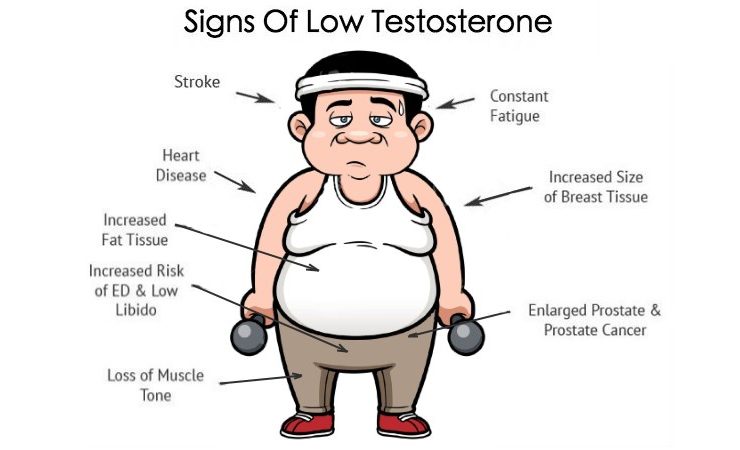
An imbalance, where either hormone is too high or too low relative to the other, can lead to issues. For example, excessively high estrogen coupled with low testosterone can contribute to weight gain, gynecomastia (development of breast tissue), and water retention. Conversely, low estrogen can weaken bones and disrupt metabolic health.

Ultimately, male hormonal health is a symphony, not a solo performance. The intricate interplay between estrogen and androgens like testosterone is fundamental to everything from physical strength and vitality to mental clarity and longevity. Acknowledging and supporting this balance is a cornerstone of truly holistic health for men.

Publié le

Anabolic Steroids: Enhancing Muscle Mass and Physical Form

Anabolic-androgenic steroids (AAS) are synthetic substances modeled after the primary male sex hormone, testosterone. Their primary function is to promote the growth of skeletal muscle and the development of male sexual characteristics, making them a powerful agent for physical transformation.

The fundamental way anabolic steroids work is by dramatically enhancing the body’s anabolic processes. They enter muscle cells and bind to androgen receptors, which directly stimulates the cell’s DNA to increase the rate of protein synthesis. This means the body builds new muscle tissue far more efficiently and rapidly than is naturally possible, leading to significant gains in muscle size and strength, a state known as a positive nitrogen balance.

Furthermore, anabolic steroids greatly increase the body’s red blood cell production. This elevates the blood’s oxygen-carrying capacity, which can drastically improve muscular endurance and recovery. This allows for more intense, frequent, and longer training sessions, which in turn contributes further to muscle hypertrophy and a faster attainment of fitness goals.

The visual results of these mechanisms are profound. Users often experience a rapid increase in lean body mass, a dramatic reduction in body fat, and enhanced muscle vascularity and definition. The overall physique becomes more muscular, denser, and leaner, projecting an image of peak physical conditioning and power.

In summary, through their potent stimulation of protein synthesis, improvement in recovery, and promotion of a lean body composition, anabolic steroids are recognized for their ability to rapidly and significantly enhance muscle mass and overall physical outlook.

Tu peux purchase anabolic steroids at 24HoursPPC.ORG

Publié le

Human Growth Hormone and Anti-Aging: Potential Benefits

The quest to slow the visible signs of aging has led to exploring various scientific avenues, one of the most controversial being Human Growth Hormone (HGH). Naturally produced by the pituitary gland, HGH is crucial for growth, cell repair, and metabolism during youth. As we age, our HGH levels decline significantly, which has spurred interest in using synthetic HGH as an anti-aging therapy.

Proponents point to several potential advantages based on clinical studies and user reports:

Improved Body Composition: Studies have shown that HGH therapy can help decrease body fat, particularly abdominal fat, and increase lean muscle mass. This can lead to a more youthful and toned physique.

Enhanced Skin Health: HGH may contribute to thicker, more elastic skin. It can stimulate the production of collagen, reducing the appearance of wrinkles and improving overall skin texture.

Increased Energy and Stamina: Some users report a significant boost in energy levels, reduced fatigue, and an enhanced sense of overall well-being.

Better Bone Density: HGH plays a role in bone building and maintenance. For some, therapy may help improve bone mineral density, which naturally declines with age.

Mood and Cognitive Function: Anecdotal evidence suggests potential improvements in mood and cognitive function, though this is less conclusively proven by rigorous scientific studies.

Publié le

Stéroïdes anabolisants chez les personnes âgées

Il est bien connu que le taux de testostérone totale diminue avec l’âge chez les hommes de 50 à 55 ans. de 0,8 à 1,61 TP1T/an, tandis que la testostérone libre commence à baisser à partir de 30-35 ans au rythme de 2 à 31 TP1T par an. À 70 ans, le niveau de testostérone d’un homme peut chuter jusqu’à 50 pour cent. Le problème de la baisse de la testostérone est l’un des plus urgents en médecine. Aujourd’hui, nous savons que les hommes entrent en andropause avec l’âge, comme c’est le cas pour la ménopause féminine.

Les raisons de ce déclin sont un dysfonctionnement de l’axe hypothalamus-hypophyso-testicules (HPTA), ainsi qu’une augmentation de la concentration de globuline liant les hormones sexuelles.

Auparavant, on pensait que le rôle de la testostérone n'était important que pour les caractéristiques sexuelles secondaires, la libido et la production de spermatozoïdes, mais il est désormais prouvé que cette hormone affecte presque tous les systèmes vitaux du corps. La testostérone agit sur le système génito-urinaire, le cerveau, les muscles, les os, le tissu adipeux et les cellules de la peau. On a récemment découvert que de faibles niveaux de testostérone augmentaient le risque de diabète. En outre, la testostérone est responsable de l’apport sanguin aux tissus, car de faibles niveaux de testostérone peuvent entraîner une altération de la circulation sanguine.

Signes cliniques de l'andropause

Une carence en testostérone entraîne des perturbations dans presque tous les systèmes et tissus. « la mémoire est altérée, la concentration de l'attention diminue, la vigilance mentale est perdue. Les yeux du patient semblent s'estomper, la tête et les épaules s'abaissent, les muscles deviennent plus lents, l'abdomen grossit, la poitrine ressemble davantage à celle d'une femme. En raison du faible taux de testostérone, les os deviennent fragiles et la peau s’amincit.

Les principaux signes et symptômes de l’andropause sont :

  • Troubles génito-urinaires :
  • diminution de la libido et dysfonction érectile
  • diminution de la fertilité
  • urination fréquente
  • Troubles vasculaires :
  • hyperémie soudaine du visage, du cou, du haut du corps
  • les bouffées de chaleur
  • fluctuations de la pression artérielle
  • douleur au coeur
  • vertiges
  • se sentir essoufflé
  • Les troubles mentaux:
  • irritabilité accrue
  • fatigue rapide
  • affaiblissement de la mémoire et de l'attention
  • insomnie
  • états dépressifs
  • diminution de l’état de santé général et des performances
  • Troubles somatiques :
  • diminution de la masse et de la force musculaire
  • fragilité des os
  • gynécomastie
  • obésité
  • calvitie
  • amincissement de la peau
  • diminution du niveau de testostérone totale et biodisponible
  • augmentation des taux d'estradiol et de globuline liant les hormones sexuelles
  • anémie
  • augmentation du cholestérol

Âge de l'andropause

La probabilité d’apparition de l’andropause augmente avec l’âge.

Âge de l'andropause

  • 40-49 ans 2-5%
  • 50-59 ans 6-40%
  • 60-69 ans 20-45%
  • 70-79 ans 34-70%
  • plus de 80 ans 90%

Effets secondaires des stéroïdes anabolisants chez les personnes âgées

Tumeurs

Pour les sportifs plus âgés, le risque d’hypertension, d’athérosclérose vasculaire, d’ischémie myocardique et de tumeurs malignes (prostate, glandes mammaires, intestins…) est bien plus élevé et augmente avec l’âge. Étant donné que les stéroïdes anabolisants augmentent le taux de division cellulaire, on pensait auparavant que ces médicaments pouvaient augmenter la fréquence des mutations. Si, chez les jeunes, le nombre de cellules mutantes est inférieur et que le système immunitaire est plus actif, le corps fait face à ce problème. Mais après 40 ans, le système immunitaire s'affaiblit, le nombre de cellules mutées commence à croître rapidement, ce qui peut entraîner l'apparition de tumeurs. Cependant, les données expérimentales modernes nient l'effet cancérigène des stéroïdes, à l'exception de la prostate et du foie (dans le cas de l'utilisation de médicaments hépatotoxiques 17-alkylés).

Gonflement et hypertrophie de la prostate

L'utilisation d'inhibiteurs de la 5-alpha-réductase est très efficace dans le traitement de l'hyperplasie bénigne de la prostate (HBP). À cet égard, des hypothèses ont été émises quant à l’effet négatif possible des androgènes exogènes sur la prostate. Dans le même temps, il a été constaté que ces maladies surviennent le plus souvent à un âge avancé, c'est-à-dire malgré la diminution des taux d'androgènes.

De nombreuses études moléculaires ont montré que le principal facteur pathogénétique dans le développement de l'HBP est une augmentation intracellulaire de l'activité de la 5-alpha-réductase, entraînant une augmentation du taux de 5-alpha-dihydrotestostérone dans les cellules de la prostate, et non une augmentation du taux de testostérone plasmatique. niveau.

Ainsi, l’HBP n’est pas considérée comme une contre-indication au traitement androgénique substitutif. De nombreuses études n’ont pas trouvé de corrélation entre les taux plasmatiques de testostérone et l’incidence du cancer de la prostate.

En présence d'hypertrophie prostatique, la testostérone est utilisée en association avec des inhibiteurs de la 5-alpha-réductase (Finastéride) comme traitement hormonal substitutif. Cela réduit quelque peu l'efficacité du cycle, mais réduit considérablement le développement d'effets secondaires androgènes, notamment sur la prostate. De plus, il est recommandé d'effectuer un examen préventif 2 fois par an, ainsi qu'une mesure en laboratoire de l'antigène spécifique de la prostate.

Alopécie (calvitie)

La perte de cheveux du cuir chevelu est également associée à une augmentation de la DHT, donc une thérapie combinée avec le Finastéride ou le Dutastéride peut prévenir efficacement la chute des cheveux.

Suppression de la sécrétion de testostérone

Comme vous le savez, grâce à l'utilisation d'androgènes, il est possible de supprimer la fonction endocrinienne des testicules et la spermatogenèse grâce au mécanisme de rétroaction négative. Cet effet est particulièrement visible lors de l'utilisation à long terme de stéroïdes anabolisants à des doses élevées.

Dans le même temps, la prise de 240 mg d'undécanoate de testostérone (ANDRIOL) pendant 6 mois ne s'est pas accompagnée d'une diminution du niveau normal initial de spermatogenèse. D'autres études n'ont pas non plus montré de suppression significative des taux normaux de gonadotrophines ou de testostérone endogène avec ce médicament, ce qui est probablement dû à la courte demi-vie de l'undécanoate de testostérone.

Ainsi, une thérapie post-cycle adéquate peut éliminer cette complication si l’andropause ne s’est pas encore produite. Après le début de l’andropause, un traitement hormonal continu est recommandé.

Atrophie testiculaire

En raison de la suppression de la sécrétion de gonadotrophines par le mécanisme de rétroaction, l'utilisation prolongée de stéroïdes anabolisants peut entraîner une atrophie et une désensibilisation des testicules. En d’autres termes, après l’arrêt de la testostérone exogène, les testicules ne retrouvent pas la capacité de sécréter leur propre testostérone. Par conséquent, les cycles longs doivent être accompagnés de gonadotrophine.

Érythrémie

La thérapie à la testostérone entraîne souvent une augmentation de l'hématocrite au-dessus des valeurs physiologiques en raison de la stimulation constante de l'érythropoïèse (associée à une production accrue d'érythropoïétine sous l'influence des androgènes). La plupart des auteurs recommandent de réduire la dose de stéroïdes lorsque les valeurs d'hématocrite sont supérieures à 51% et d'arrêter le médicament lorsque les valeurs sont supérieures à 54%.

Athérosclérose

L’effet des androgènes exogènes sur les taux de lipides sanguins est une question controversée. Traditionnellement, on pense que le risque accru d'athérosclérose et de maladie coronarienne chez les hommes par rapport aux femmes en âge de procréer est associé à un effet négatif des androgènes sur le profil lipidique. Cependant, plusieurs études ont montré que l'administration de testostérone entraîne une diminution des taux athérogènes de VLDL et de LDL, tandis que les taux de HDL anti-athérogènes restent relativement inchangés.

TRT pour les personnes âgées

Les principaux médicaments utilisés dans le traitement androgénique substitutif chez les hommes sont les esters de testostérone. Il existe des médicaments oraux, injectables et transdermiques. Actuellement, la testostérone alkylée en C17 (méthyltestostérone), qui a un effet toxique et cancérigène sur le foie lorsqu'elle est prise par voie orale, est pratiquement hors d'usage. L'hormone de croissance gagne en popularité, car elle est capable de rajeunir la peau et de renforcer les articulations et les ligaments.

Testostérone énanthate et Cypionate de testostérone sont la testostérone la plus courante aux États-Unis. Ainsi, un schéma posologique adéquat consiste en l'administration intramusculaire du médicament à la dose de 1 ml une fois toutes les 3 semaines. Souvent, une dose de remplacement est prescrite dans les 3 mois, suivie d'une annulation pouvant aller jusqu'à 3 mois.

Nouveaux médicaments

Les scientifiques sont constamment à la recherche de médicaments plus perfectionnés. Aujourd'hui, par exemple, le médicament injectable Nebido est apparu, qui doit être injecté quatre fois par an. Le médicament fournit une concentration stable de testostérone pendant trois mois : grâce à la libération progressive du « dépôt de pétrole ».

Testogels et les patchs de testostérone gagnent en popularité dans le monde entier, car ils doivent être appliqués sur la peau une fois par jour.

Relativement récemment, une nouvelle forme d’administration de testostérone a été créée : des comprimés sous la langue ou des plaques fixées aux gencives. Ces méthodes font l'objet d'essais cliniques.


 

Publié le

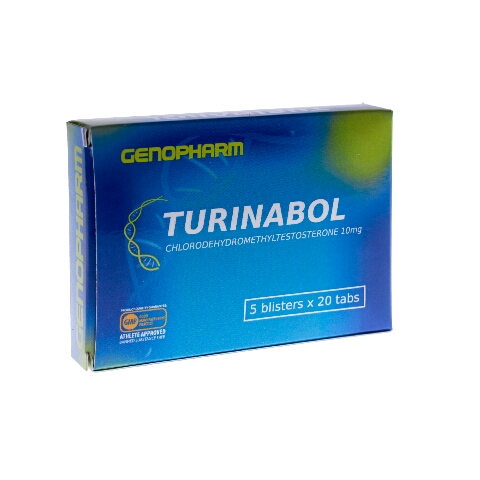
Turinabol oral

Turinabol (Turanabol) est un SAA dont les effets et la structure chimique sont similaires à ceux de la méthandrosténolone. Contrairement au méthane, le turinabol contient un atome de chlore supplémentaire au niveau du quatrième atome de carbone. Initialement, il a été développé par la société pharmaceutique allemande Jenapharm et breveté en 1961.

Profil Turinabol

  • Propriétés anabolisantes – 180%
  • Propriétés androgènes – 50%
  • Conversion en œstrogène – non
  • Suppression de la HPTA – modérée à élevée
  • Toxicité hépatique – modérée
  • Administration – comprimés
  • Demi-vie – 16 heures
  • Temps de détection – jusqu'à 250 jours (en raison des métabolites liposolubles à longue durée de vie)

Concentration plasmatique maximale 3 heures après l'administration.

Description

Le médicament peut être décrit comme Methandrostenolone sans rétention d’eau.

C'est un stéroïde à action lente. Au cours du cycle, le poids, la force et le soulagement progressent très lentement, mais les résultats sont impressionnants.

Une autre caractéristique du médicament est l’absence d’effets secondaires liés aux œstrogènes, à la rétention d’eau, à la gynécomastie, etc.

De plus, il a été constaté que la concentration de SHBG diminue, donc les niveaux de testostérone dans le sang augmentent. Il existe également des preuves que le turinabol réduit le risque de caillots sanguins dans les vaisseaux sanguins et le cœur.

Faire du vélo

La dose régulière avec un minimum d'effets secondaires est de 20 à 40 mg/pd, qui doit être divisée en trois portions. Cependant, les bodybuilders négligent souvent cela, portant la dose à 100-150 mg par jour.

Le médicament peut être utilisé à la fois pour gagner de la masse musculaire et pour sécher. Le cycle de Turinabol ne nécessite pas l'inclusion de gonadotrophine (s'il ne dépasse pas 6 à 8 semaines), cependant, le PCT est réalisé avec des bloqueurs des récepteurs des œstrogènes (tamoxifène).


Le cycle solo de Turinabol est considéré comme l’un des plus simples et des plus sûrs en musculation, il est donc souvent recommandé aux débutants. Pour le premier cycle, la posologie optimale est considérée comme étant de 40 mg/jour pendant 6 semaines. Cela permet d'obtenir des résultats impressionnants, tant en termes de gain de masse musculaire de haute qualité, que de progression des résultats vitesse-force.

Pour gagner de la masse musculaire, une cure combinée de Turinabol (20 mg par jour) + énanthate de testostérone 250 mg par semaine (ou + sustanon) est mieux adaptée. La durée du cycle est de 6 semaines. Tout d'abord, l'énanthate est annulé, et après une semaine, le turinabol.

Il est recommandé aux athlètes qui ne souhaitent pas prendre de masse et qui s’efforcent d’augmenter leur vitesse et leur endurance (boxeurs, lutteurs, coureurs, etc.) de prendre des doses plus faibles – 10 à 20 mg par jour.

Cependant, il ne faut pas oublier qu'aujourd'hui, le turinabol peut être facilement détecté dans les tests de dopage grâce à ses métabolites à longue durée de vie, qui peuvent être détectés dans un délai de six à huit mois. Les derniers développements en matière de chromatographie en phase gazeuse et de spectrométrie de masse ont grandement contribué à cette période de détection incroyablement longue.

Effets secondaires

Turinabol est un stéroïde anabolisant 17-alkylé qui permet une administration orale, ce qui provoque une toxicité hépatique comparable à la méthandrosténolone. En général, les effets secondaires sont assez rares et sont le plus souvent associés à une durée de cycle trop longue et à des doses élevées. Ce médicament supprime fortement la sécrétion de sa propre testostérone.

Test qualitatif

La présence d'halogène (chlore) dans la molécule du turinabol permet de détecter un faux même à domicile. Il existe une méthode qualitative pour la détermination des halogènes dans un échantillon : le test de Beilstein.

Pour réaliser l’expérience, vous aurez besoin d’un brûleur à gaz, d’un fil de cuivre et d’un échantillon à analyser. L'échantillon est broyé en une poudre homogène. Nous plions l'extrémité du fil de cuivre en formant une boucle et le maintenons dans la flamme du brûleur jusqu'à ce que la teinte verdâtre de la flamme disparaisse. Ensuite, nous retirons le fil de la flamme, plaçons un échantillon sec sur la boucle et le remettons dans la flamme du brûleur. S'il devient vert, l'échantillon est positif.