Inlägget gjort

What are the natural ways to increase testosterone in a male?

Natural Ways to Increase Testosterone Levels in Men

Testosterone is the primary male hormone responsible for muscle growth, energy, libido, and overall vitality. While levels naturally decline with age, several evidence-based lifestyle habits can help optimize and increase testosterone production naturally.

Here are the most effective natural methods:

Maintain a Lean and Muscular Physique Staying relatively lean while having decent muscle mass is one of the best ways to support healthy testosterone levels. Excess body fat can increase estrogen and lower testosterone.

Practice Power Postures Adopting confident “Superman” or power poses for a few minutes daily may help boost testosterone and reduce stress hormones.


Be Competitive and Pursue Success Winning challenges, setting goals, and maintaining a competitive mindset in sports, business, or life can positively influence testosterone levels.


Eliminate Smoking and Limit Alcohol Quit smoking completely and reduce excessive alcohol consumption, as both can significantly suppress testosterone production.


Eat Enough Clean Calories Severe calorie restriction lowers testosterone. Consume sufficient high-quality calories from whole foods to fuel muscle growth and hormone production.


Focus on Compound Exercises Heavy compound lifts such as deadlifts, squats, bench presses, and overhead presses are highly effective for stimulating testosterone release.


Incorporate High-Intensity Interval Training (HIIT) Short, intense bursts of exercise are more beneficial for testosterone than long, steady cardio sessions.


Reduce Long-Duration Endurance Training Excessive running, cycling, or other prolonged endurance activities can lower testosterone levels over time


Prioritize Quality Sleep Aim for 7–9 hours of deep sleep every night. Most daily testosterone production occurs during sleep


Manage Stress Chronic stress elevates cortisol, which suppresses testosterone. Practices like meditation, deep breathing, or relaxation techniques can help


Optimize Your Sexual Life A healthy and regular sex life can support testosterone. For single men, limiting excessive masturbation (around 2–3 times per month) is sometimes recommended by those optimizing hormone levels


Eat Testosterone-Boosting Foods Focus on healthy fats and nutrient-dense foods such as:

  • Extra virgin olive oil, coconut oil, avocado oil, grass-fed butter, and animal fats
  • Meats, eggs, and high-quality proteins
  • Nuts, avocados, and certain fruits and vegetable


Limit Testosterone-Lowering Foods Reduce intake of: flaxseeds, licorice, soy products, trans fats, alcohol, mint/peppermint/spearmint, green tea in excess, and high-PUFA vegetable oils and nuts.

By consistently applying these habits, many men experience noticeable improvements in energy, strength, mood, and libido.

Alternatively, you can increase testosterone levels by applying testosterone gel – tetogel, androgel as TRT (testosterone replacement therapy). Or, you can get testosterone for your bodybuilding cycle at www.24HoursPPC.ORG

Inlägget gjort

Testosterone Replacement vs. Performance-Enhancing Steroids: Understanding the Difference

At first glance, testosterone replacement therapy (TRT) and anabolic steroids may appear similar. Both involve the use of synthetic or bioidentical testosterone, and both can lead to increases in muscle mass, strength, and recovery. However, the underlying purpose, approach, and philosophy behind each are fundamentally different.

Understanding this distinction requires looking beyond the substances themselves to the goals, protocols, and contexts in which they are used.


Purpose and Intent

The central difference lies in the objective.

Testosterone replacement therapy is designed to restore testosterone levels to a natural, healthy baseline. It is intended for individuals whose bodies produce insufficient testosterone—a condition often referred to as hypogonadism. The goal is not to exceed normal physiological levels but to bring a person back into the range where they feel healthy, energetic, and functionally strong. TRT aims to correct a deficiency and maintain long-term stability.

Performance-enhancing steroids, by contrast, are used to push the body beyond its natural limits. The objective is to achieve supraphysiological levels of androgens—levels significantly higher than what the body could produce on its own. This approach is focused on maximizing muscle growth, strength, and physical performance beyond what is attainable through natural training and nutrition alone.


Dosage and Protocol

The way these compounds are administered reflects their differing goals.

In testosterone replacement, the focus is on consistency and stability. Doses are carefully calibrated to mimic the body’s natural production, keeping levels within a normal physiological range. Injections or other delivery methods are typically scheduled to maintain steady levels without dramatic peaks or valleys. The approach is long-term and aimed at sustainability.

With performance-enhancing steroids, protocols often involve higher doses, frequently exceeding what the body could naturally produce. Cycles may include multiple compounds stacked together, and dosing schedules are designed to maximize anabolic effects within a specific timeframe. These cycles are typically followed by periods where use is reduced or discontinued—a pattern intended to manage the body’s response to supraphysiological exposure.


Rate of Results

The pace of visible change is another distinguishing factor.

Testosterone replacement produces gradual changes. When a deficiency is corrected, individuals may notice improved energy, mood, and libido over weeks to months. Physical changes such as increased muscle mass and reduced body fat occur slowly, aligning with what would be expected from consistent training and recovery in a person with normalized hormone levels.

Performance-enhancing steroids, used at higher doses, can produce rapid and dramatic transformations. Muscle mass and strength can increase at a pace unattainable through natural means. This accelerated rate of change is one of the primary drivers of their use in performance-oriented contexts.


Monitoring and Stability

The philosophy of management also differs significantly.

Testosterone replacement emphasizes regular monitoring and fine-tuning. The goal is to maintain levels within a consistent, healthy range over the long term. Adjustments are made based on how an individual feels and their specific physiological markers, with an emphasis on balance and stability.

Performance-enhancing steroid use often involves cycling—periods of active use followed by periods of lower or no use. This cyclical pattern is designed to manage the body’s response to supraphysiological doses and to create distinct phases of building and recovery.


A Spectrum, Not a Simple Divide

While the distinctions above highlight clear differences, it is worth noting that the two approaches exist on a spectrum. An individual on testosterone replacement may experience improved body composition and strength as a natural consequence of restored hormone levels. Conversely, some who use performance-enhancing steroids may start with the goal of exceeding natural limits but later transition to a maintenance-focused approach.

The key differentiator remains intent and execution: whether the goal is to restore normal function or to deliberately surpass it.


Slutsats

Testosterone replacement and performance-enhancing steroids share a common biological foundation but diverge sharply in purpose, protocol, and outcome. One is centered on restoring balance and addressing deficiency. The other is focused on amplifying performance beyond natural capacity.

Recognizing the difference is not about assigning value to one over the other but about understanding that the same compound can serve radically different functions depending on how it is used. The intent behind the use, the doses involved, and the overall approach ultimately define where a protocol falls on the spectrum between therapeutic restoration and performance amplification.

You can buy anabolic steroids online at www.24HoursPPC.ORG

Inlägget gjort

What is Testosterone?

Testosterone is the primary male sex hormone (androgen). While it’s present in everyone, it’s found in much higher levels in people assigned male at birth. It’s responsible for the development of male reproductive tissues, secondary sexual characteristics, and plays a crucial role in overall health for all genders.

It’s produced primarily in the testicles in men and in the ovaries in women, with small amounts also produced by the adrenal glands in everyone.


The Core Functions: More Than Just “Male” Hormone

Its influence is vast and can be broken down into a few key areas:

1. Prenatal Development

This is where it all starts. In utero, testosterone is critical for the development of male reproductive organs (the Wolffian ducts, which become the epididymis, vas deferens, and seminal vesicles).

2. Puberty

This is when testosterone truly takes center stage, driving:

  • Virilization: The deepening of the voice, growth of facial and body hair, and increased muscle mass and bone density.

  • Reproductive Maturation: Growth of the penis and testicles, and the initiation of sperm production (spermatogenesis).

  • Behavioral Changes: Increases in libido (sex drive), and influences on mood, assertiveness, and competitive drive.

3. Adult Health Maintenance

Throughout life, testosterone continues to play a vital role:

  • Muscle Mass & Strength: It stimulates protein synthesis, helping build and maintain muscle.

  • Bone Density: It helps maintain strong bones. Low testosterone is a major risk factor for osteoporosis in men.

  • Fat Distribution: It influences how the body stores fat.

  • Red Blood Cell Production: It stimulates the bone marrow to produce red blood cells.

  • Libido & Sexual Function: It is a primary driver of sexual desire in both men and women. In men, it’s crucial for achieving and maintaining erections.

  • Cognitive Function: It influences memory, focus, and spatial awareness.

  • Mood & Energy: Balanced levels contribute to stable mood, motivation, and overall energy levels.


The Delicate Balance: Testosterone in Men vs. Women

Aspect Men Women
Typical Levels 300–1,000 ng/dL 15–70 ng/dL
Primary Source Testicles (95%) Ovaries & Adrenal Glands
Role Dominant sex hormone, key for male characteristics, reproduction, and overall vitality. One of several important hormones. Crucial for libido, bone strength, muscle mass, mood, and cognitive function. Plays a role in ovarian function.
Too Low Low libido, erectile dysfunction, fatigue, depression, muscle loss, weight gain, osteoporosis. Low libido, fatigue, depression, decreased bone density, cognitive fog.
Too High Acne, aggression, mood swings, testicular shrinkage, infertility, prostate issues, sleep apnea. Acne, hirsutism (excess facial/body hair), male-pattern baldness, irregular periods, infertility, deepening of voice, mood swings.

The “Low T” Epidemic & The Rise of TRT

In recent decades, there’s been a massive increase in awareness—and some argue over-diagnosis—of “Low T” (low testosterone). Testosterone levels naturally decline with age (about 1% per year after 30), but many men today have levels lower than their fathers did at the same age. Potential reasons include:

  • Obesity Epidemic: Fat tissue (especially visceral fat) contains an enzyme called aromatase, which converts testosterone into estrogen.

  • Lifestyle Factors: Chronic stress (raises cortisol, which opposes testosterone), poor sleep, sedentary behavior, and poor nutrition.

  • Environmental Toxins: Endocrine-disrupting chemicals (like BPA and phthalates in plastics) are suspected to play a role.

This has led to a booming market for Testosterone Replacement Therapy (TRT) . TRT can be life-changing for men with clinically low testosterone and genuine symptoms. However, it is a serious medical decision:

  • It is often a lifelong commitment. Starting TRT can cause the body to stop its own natural production, which may not recover if you stop.

  • It can cause infertility by shutting down sperm production.

  • Bieffekter can include polycythemia (dangerously high red blood cell count), worsening sleep apnea, acne, and potential cardiovascular risks.


Optimizing Testosterone Naturally

For many, the focus is on optimizing natural production before considering TRT. The foundational pillars are:

  1. Sleep: This is the most powerful, non-negotiable factor. Most testosterone is produced during REM sleep. Aim for 7–9 hours of quality sleep.

  2. Nutrition:

    • Healthy Fats: Testosterone is synthesized from cholesterol. Diets too low in healthy fats (avocados, nuts, olive oil, eggs) can hinder production.

    • Zinc & Magnesium: Critical minerals for testosterone production. Found in meat, shellfish, and leafy greens.

    • Avoid Processed Foods: Excessive sugar and processed foods drive insulin resistance and fat gain, which lower testosterone.

  3. Exercise:

    • Resistance Training: Compound movements like squats, deadlifts, and bench presses are highly effective.

    • High-Intensity Interval Training (HIIT): Short bursts of intense effort can provide a significant boost.

    • Overtraining: Paradoxically, chronic endurance training (like marathon running) without adequate recovery can lower testosterone.

  4. Stress Management: Chronic stress elevates cortisol. Cortisol and testosterone have an inverse relationship; when one is high, the other tends to be low.

  5. Body Composition: Reducing excess body fat, especially visceral fat, is crucial to prevent the conversion of testosterone into estrogen.


The Bigger Picture & Nuance

It’s important to move beyond simplistic ideas like “testosterone = masculinity.” While it influences certain traits, it doesn’t dictate character. A man isn’t “more of a man” because he has high testosterone; in fact, extremely high levels can be detrimental.

Also, the conversation around testosterone is becoming more nuanced in women’s health, particularly regarding perimenopause and menopause, where testosterone therapy is increasingly being explored to help with libido, energy, and cognitive function.


So, where would you like to take this conversation? We could dive into:

  • The science of TRT: How it works, the different forms (gels, injections, pellets), and the risks/benefits in detail.

  • Natural optimization: A deeper look at specific diets, supplements, and training protocols.

  • Women and testosterone: Its role, symptoms of imbalance, and the debate around therapy for women.

  • Controversies: The “Low T” marketing phenomenon, the ethics of testosterone in sports, or the role of hormones in gender identity.

  • Mythbusting: Common misconceptions about testosterone and aggression, or the “roid rage” stereotype.


Du kan purchase testosterone online at www.24HoursPPC.ORG

Inlägget gjort

Does Training Legs Increase Testosterone? Here’s What You Need to Know

Let’s be honest—training legs can feel like the worst part of any workout routine. But if you’re serious about boosting your testosterone levels, leg day is non-negotiable.

So, does training legs increase testosterone? Yes, it absolutely does.

While resistance training in general has been shown to elevate testosterone levels, skipping leg workouts means missing out on one of the most significant hormonal responses your body can produce. Unfortunately, many people overlook this crucial benefit.

Here’s why training your legs is one of the most effective ways to naturally increase testosterone.


1. Leg Workouts Target Multiple Large Muscle Groups

When you train your legs, you’re not working just one small muscle—you’re engaging several major muscle groups simultaneously, including:

  • Quadriceps

  • Hamstrings

  • Glutes

  • Calves

These are among the largest muscle groups in the body. By activating them together, you recruit a higher number of muscle fibers, many of which are directly associated with hypertrophy (muscle growth) and strength gains. The more muscle fibers you engage, the greater the anabolic signal sent to your endocrine system—triggering testosterone release.


2. Heavy Compound Lifts Stimulate Hormonal Response

Have you ever noticed that compound leg exercises—like squats, deadlifts, and leg presses—allow you to lift heavier weights compared to isolation movements?

That’s because compound movements engage multiple joints and muscle groups, enabling greater mechanical tension. Heavy, compound lifts activate anabolic signaling pathways, which directly stimulate the production and release of testosterone.

But there’s more. Lifting heavy also creates significant neural stress. In response, your body releases hormones like testosterone to support muscle repair and recovery. In other words, the harder your legs work, the stronger your hormonal response.


3. Leg Training Triggers Luteinizing Hormone (LH) Release

Luteinizing hormone (LH) plays a key role in regulating reproductive function. When you perform intense leg workouts, your pituitary gland responds by releasing LH.

Why does that matter?

Because LH is a direct trigger for testosterone production. When LH levels rise, your testes receive the signal to produce and release more testosterone. This makes leg training uniquely effective at initiating a cascade of hormonal events that support muscle growth, recovery, and overall vitality.


Don’t Skip Leg Day

We all enjoy upper-body training—it’s where many of us see the most visible results. But if your goal is to maximize testosterone levels naturally, understanding the importance of leg day is essential.

By incorporating compound leg movements, lifting heavy, and consistently challenging your lower body, you can unlock a powerful hormonal response that benefits your entire body.

So, does training legs increase testosterone? Yes. And if you’ve been skipping leg day, now is the time to make it a priority.


Ready to take your fitness to the next level?
Visit www.24HoursPPC.org for premium support to help you reach your goals.

Inlägget gjort

The Inner Symphony: Balancing Estrogen and Androgens in Women

The conversation about female hormones often focuses solely on estrogen and progesterone. However, this overlooks a crucial player: androgens, often labeled “male hormones.” In reality, women naturally produce androgens like testosterone, and the delicate balance between these and estrogen is fundamental to a woman’s health, vitality, and well-being.

Estrogen is the maestro of the female reproductive system, regulating the menstrual cycle, supporting pregnancy, and maintaining bone density, skin health, and cardiovascular function. It promotes the development of female secondary sex characteristics and is essential for lubricating tissues and a stable mood.

Androgens, produced in the ovaries and adrenal glands, are not antagonists to this process but vital contributors. In healthy amounts, they provide the essential building blocks for estrogen production and are responsible for:

  • Energy and Vitality: Supporting muscle strength, stamina, and overall motivation.

  • Libido: Playing a primary role in fueling sex drive and sexual responsiveness.

  • Bone Health: Contributing to the maintenance of strong, dense bones.

  • Mood Regulation: Influencing a sense of well-being and confidence.

The goal is not to eliminate androgens but to maintain their harmonious balance with estrogen. When this balance is disrupted, symptoms can arise.

  • Androgen Excess: A relative excess of androgens, often seen in conditions like Polycystic Ovary Syndrome (PCOS), can lead to symptoms such as acne, hirsutism (unwanted hair growth), hair thinning on the scalp, and irregular periods.

  • Androgen Deficiency: Conversely, low levels can contribute to a persistent lack of energy (fatigue), reduced muscle mass, a diminished sense of well-being, and a notably low libido.

  • Estrogen Dominance: This state, where estrogen is high relative to progesterone (and sometimes androgens), can cause weight gain, mood swings, bloating, and heavy periods.

This hormonal interplay is a finely tuned symphony, not a battle between opposites. Factors like stress, diet, exercise, and age can all influence this delicate equilibrium. Understanding that both estrogen and androgens are essential, complementary forces highlights the importance of a holistic approach to female health—one that seeks not to eliminate but to harmonize.

Inlägget gjort

The Delicate Dance: Understanding Estrogen and Androgen Balance in Men

When we think about hormones in men, testosterone often takes center stage. However, its often-overlooked partner, estrogen, plays an equally critical role in a complex and delicate hormonal dance. Contrary to popular belief, estrogen is not just a “female hormone”; it is essential for male health, and its balance with testosterone (an androgen) is crucial for overall well-being.

Testosterone is the primary driver of male characteristics, such as muscle mass, bone density, libido, and facial hair. But a significant portion of a man’s testosterone is naturally converted into estrogen, specifically estradiol, through a process called aromatization. This is not a flaw—it’s a vital biological function.

The key to optimal health is not maximizing testosterone and minimizing estrogen, but rather maintaining a precise balance between the two. This equilibrium supports:

  • Healthy Bone Density: Estrogen is the primary hormone responsible for closing bone growth plates and maintaining bone strength throughout a man’s life. Low estrogen levels can lead to osteoporosis and increased fracture risk.

  • Brain Function: Estrogen supports cognitive function, memory, and a positive mood. Imbalances have been linked to fatigue, irritability, and “brain fog.”

  • Cardiovascular Health: Estrogen contributes to healthy cholesterol metabolism and supports the flexibility of blood vessels.

  • Libido and Sexual Function: Both hormones are essential for a healthy sex drive. While testosterone fuels desire, estrogen helps regulate it and is necessary for achieving normal erections.

An imbalance, where either hormone is too high or too low relative to the other, can lead to issues. For example, excessively high estrogen coupled with low testosterone can contribute to weight gain, gynecomastia (development of breast tissue), and water retention. Conversely, low estrogen can weaken bones and disrupt metabolic health.

Ultimately, male hormonal health is a symphony, not a solo performance. The intricate interplay between estrogen and androgens like testosterone is fundamental to everything from physical strength and vitality to mental clarity and longevity. Acknowledging and supporting this balance is a cornerstone of truly holistic health for men.

Inlägget gjort

Anabolic Steroids: Enhancing Muscle Mass and Physical Form

Anabolic-androgenic steroids (AAS) are synthetic substances modeled after the primary male sex hormone, testosterone. Their primary function is to promote the growth of skeletal muscle and the development of male sexual characteristics, making them a powerful agent for physical transformation.

The fundamental way anabolic steroids work is by dramatically enhancing the body’s anabolic processes. They enter muscle cells and bind to androgen receptors, which directly stimulates the cell’s DNA to increase the rate of protein synthesis. This means the body builds new muscle tissue far more efficiently and rapidly than is naturally possible, leading to significant gains in muscle size and strength, a state known as a positive nitrogen balance.

Furthermore, anabolic steroids greatly increase the body’s red blood cell production. This elevates the blood’s oxygen-carrying capacity, which can drastically improve muscular endurance and recovery. This allows for more intense, frequent, and longer training sessions, which in turn contributes further to muscle hypertrophy and a faster attainment of fitness goals.

The visual results of these mechanisms are profound. Users often experience a rapid increase in lean body mass, a dramatic reduction in body fat, and enhanced muscle vascularity and definition. The overall physique becomes more muscular, denser, and leaner, projecting an image of peak physical conditioning and power.

In summary, through their potent stimulation of protein synthesis, improvement in recovery, and promotion of a lean body composition, anabolic steroids are recognized for their ability to rapidly and significantly enhance muscle mass and overall physical outlook.

Du kan purchase anabolic steroids at 24HoursPPC.ORG

Inlägget gjort

Human Growth Hormone and Anti-Aging: Potential Benefits

The quest to slow the visible signs of aging has led to exploring various scientific avenues, one of the most controversial being Human Growth Hormone (HGH). Naturally produced by the pituitary gland, HGH is crucial for growth, cell repair, and metabolism during youth. As we age, our HGH levels decline significantly, which has spurred interest in using synthetic HGH as an anti-aging therapy.

Proponents point to several potential advantages based on clinical studies and user reports:

Improved Body Composition: Studies have shown that HGH therapy can help decrease body fat, particularly abdominal fat, and increase lean muscle mass. This can lead to a more youthful and toned physique.

Enhanced Skin Health: HGH may contribute to thicker, more elastic skin. It can stimulate the production of collagen, reducing the appearance of wrinkles and improving overall skin texture.

Increased Energy and Stamina: Some users report a significant boost in energy levels, reduced fatigue, and an enhanced sense of overall well-being.

Better Bone Density: HGH plays a role in bone building and maintenance. For some, therapy may help improve bone mineral density, which naturally declines with age.

Mood and Cognitive Function: Anecdotal evidence suggests potential improvements in mood and cognitive function, though this is less conclusively proven by rigorous scientific studies.

Inlägget gjort

Anabola steroider i hög ålder

Det är välkänt att totalt testosteron minskar med åldern hos män från 50-55 år. med 0,8-1,6%/år, medan fritt testosteron börjar sjunka från 30-35 år med en hastighet av 2-3% per år. Vid 70 års ålder kan en mans testosteronnivå sjunka med så mycket som 50 procent. Problemet med testosteronminskning är ett av de mest akuta inom medicin. Idag vet vi att män går in i andropaus med åldern, liknande det kvinnliga klimakteriet.

Orsakerna till denna nedgång är felfunktion i hypotalamus-hypofys-testikelaxeln (HPTA), samt en ökning av koncentrationen av könshormonbindande globulin.

Tidigare trodde man att testosteronets roll endast är viktig för sekundära sexuella egenskaper, libido och vid produktionen av spermier, men nu har det bevisats att detta hormon påverkar nästan alla vitala system i kroppen. Testosteron verkar på genitourinary system, hjärna, muskler, ben, fettvävnad och hudceller. Nyligen har det upptäckts att låga testosteronnivåer ökar risken för diabetes. Förutom testosteron är ansvarig för blodtillförseln till vävnader, eftersom låga nivåer av testosteron kan leda till försämrat blodflöde.

Kliniska tecken på andropaus

Testosteronbrist leder till störningar i nästan alla system och vävnader. ”minnet försämras, koncentrationen av uppmärksamhet minskar, mental vakenhet försvinner. Patientens ögon verkar blekna, huvudet och axlarna sänks, musklerna blir trögare, buken förstoras, bröstkorgen blir mer som en kvinnas. På grund av den låga testosteronnivån blir benen sköra och huden tunnare.

De viktigaste tecknen och symtomen på andropaus är:

  • Genitourinära störningar:
  • minskad sexlust och erektil dysfunktion
  • minskad fertilitet
  • regelbunden urination
  • Vaskulära störningar:
  • plötslig hyperemi i ansikte, hals, överkropp
  • värmevallningar
  • fluktuationer i blodtrycket
  • smärta i hjärtat
  • yrsel
  • känner andfåddhet
  • Mentala störningar:
  • ökad irritabilitet
  • snabb trötthet
  • försvagning av minne och uppmärksamhet
  • sömnlöshet
  • depressiva tillstånd
  • minskning av allmän hälsa och prestationsförmåga
  • Somatiska störningar:
  • minskning av muskelmassa och styrka
  • benskörhet
  • gynekomasti
  • fetma
  • skallighet
  • förtunning av huden
  • minskning av nivån av totalt och biotillgängligt testosteron
  • ökade nivåer av östradiol och könshormonbindande globulin
  • anemi
  • ökat kolesterol

Andropausens ålder

Sannolikheten för att andropaus debuterar ökar med åldern.

Andropausens ålder

  • 40-49 år 2-5%
  • 50-59 år 6-40%
  • 60-69 år 20-45%
  • 70-79 år 34-70%
  • över 80 år 90%

Biverkningar av anabola steroider i hög ålder

Tumörer

För äldre idrottare är risken för högt blodtryck, vaskulär ateroskleros, myokardischemi och maligna tumörer (prostata, bröstkörtlar, tarmar etc.) mycket högre och ökar med åldern. Eftersom anabola steroider ökar celldelningshastigheten trodde man tidigare att dessa läkemedel kan öka frekvensen av mutationer. Om antalet mutanta celler är lägre i ungdomen och immunsystemet är mer aktivt, klarar kroppen av detta problem. Men efter 40 år försvagas immunförsvaret, antalet muterade celler börjar växa snabbt – som ett resultat kan tumörer uppstå. Men moderna experimentella data förnekar den cancerogena effekten av steroider, med undantag för prostata och lever (vid användning av hepatotoxiska 17-alkylerade läkemedel).

Svullnad och hypertrofi av prostata

Användningen av 5-alfa-reduktashämmare är mycket effektiv vid benign prostatahyperplasi (BPH). I detta avseende har det antagits om den möjliga negativa effekten av exogena androgener på prostatakörteln. Samtidigt noterades att dessa sjukdomar oftast förekommer i hög ålder, det vill säga trots minskningen av androgenernivåerna.

Flera molekylära studier har visat att den huvudsakliga patogenetiska faktorn i utvecklingen av BPH är en intracellulär ökning av 5-alfa-reduktasaktivitet, vilket leder till en ökning av nivån av 5-alfa-dihydrotestosteron i prostataceller, och inte ett ökat plasmatestosteron. nivå.

BPH anses således inte vara en kontraindikation för androgenersättningsterapi. Många studier har inte funnit ett samband mellan plasmatestosteronnivåer och förekomsten av prostatacancer.

I närvaro av prostatahypertrofi används testosteron i kombination med 5-alfa-reduktashämmare (Finasteride) som hormonersättningsterapi. Detta minskar cykelns effektivitet något, men minskar avsevärt utvecklingen av androgena biverkningar, inklusive på prostatakörteln. Dessutom rekommenderas att utföra en förebyggande undersökning 2 gånger per år, samt laboratoriemätning av prostataspecifikt antigen.

Alopeci (hårdhet)

Håravfall i hårbotten är också förknippat med en ökning av DHT, så kombinationsbehandling med Finasteride eller Dutasteride kan effektivt förhindra håravfall.

Undertryckande av testosteronsekretion

Som du vet, med användning av androgener, är det möjligt att undertrycka testiklarnas endokrina funktion och spermatogenes genom mekanismen för negativ feedback. Denna effekt noteras särskilt vid långvarig användning av anabola steroider i höga doser.

Samtidigt åtföljdes inte intag av 240 mg testosteronundekanoat (ANDRIOL) under 6 månader av en minskning av den initiala normala nivån av spermatogenes. Andra studier visade inte heller signifikant undertryckande av normala gonadotropinnivåer eller endogent testosteron med detta läkemedel, vilket sannolikt beror på den korta halveringstiden för testosteronundekanoat.

Således kan adekvat behandling efter cykeln eliminera denna komplikation om andropaus ännu inte har inträffat. Efter uppkomsten av andropaus rekommenderas kontinuerlig hormonbehandling.

Testikelatrofi

På grund av undertryckandet av utsöndringen av gonadotropiner genom återkopplingsmekanismen, med långvarig användning av anabola steroider, kan atrofi och desensibilisering av testiklarna utvecklas. Med andra ord, efter utsättning av exogent testosteron, återställer inte testiklarna förmågan att utsöndra sitt eget testosteron. Därför bör långa cykler åtföljas av gonadotropin.

Erytremi

Testosteronterapi leder ofta till en ökning av hematokrit över fysiologiska värden på grund av den konstanta stimuleringen av erytropoiesis (associerad med ökad produktion av erytropoietin under inverkan av androgener). De flesta författare rekommenderar att man minskar dosen av steroider när hematokritvärdena är över 51% och utsättande av läkemedlet när värdena är högre än 54%.

Åderförkalkning

En kontroversiell fråga är effekten av exogena androgener på blodlipidnivåerna. Traditionellt tror man att den ökade risken för åderförkalkning och kranskärlssjukdom hos män jämfört med kvinnor i fertil ålder är förknippad med en negativ effekt av androgener på lipidprofilen. Flera studier har dock visat att testosterontillförsel leder till en minskning av aterogena VLDL- och LDL-nivåer, medan antiaterogena HDL-nivåer är relativt oförändrade.

TRT för äldre

De viktigaste läkemedlen för androgenersättningsterapi hos män är testosteronestrar. Det finns orala, injicerbara och transdermala läkemedel. För närvarande är C17-alkylerat testosteron (metyltestosteron), som har toxiska och cancerframkallande effekter på levern när de tas oralt, praktiskt taget ur bruk. Tillväxthormon ökar i popularitet, vilket kan föryngra huden, samt stärka leder och ligament.

Testosteron Enanthate och Testosteron Cypionate är det vanligaste testosteronet i USA. Således är en adekvat doseringsregim intramuskulär administrering av läkemedlet i en dos på 1 ml en gång var tredje vecka. Ofta ordineras en ersättningsdos inom 3 månader, följt av avbokning i upp till 3 månader.

Nya droger

Forskare letar ständigt efter mer perfekta droger. Nu till exempel den injicerbara drogen Nebido dykt upp, som måste injiceras fyra gånger om året. Läkemedlet ger en stabil koncentration av testosteron i tre månader: på grund av gradvis frisättning från "oljedepån".

Testogels och testosteronplåster ökar i popularitet runt om i världen, eftersom de måste appliceras på huden en gång om dagen.

Relativt nyligen skapades en ny form av testosteronadministrering – tablett under tungan, eller plattor som är fästa på tandköttet. Dessa metoder genomgår kliniska prövningar.


Inlägget gjort

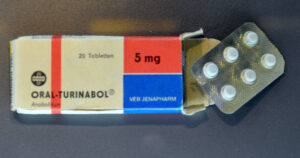
Oral turinabol

Turinabol (Turanabol) är en AAS som liknar methandrostenolon i effekter och kemisk struktur. Till skillnad från metan innehåller turinabol ytterligare en kloratom vid den fjärde kolatomen. Ursprungligen utvecklades den av det tyska läkemedelsföretaget Jenapharm och patenterades 1961.

Turinabol profil

  • Anabola egenskaper – 180%
  • Androgena egenskaper – 50%
  • Omvandling till östrogen – nej
  • HPTA-undertryckning – måttlig-hög
  • Levertoxicitet - måttlig
  • Administration – tabletter
  • Halveringstid – 16 timmar
  • Detektionstid – upp till 250 dagar (på grund av långlivade fettlösliga metaboliter)

Maximal plasmakoncentration 3 timmar efter administrering.

Beskrivning

Läkemedlet kan beskrivas som Methandrostenolone utan vätskeretention.

Det är en långsamverkande steroid. Under cykeln utvecklas vikt, styrka och lättnad mycket långsamt, men resultaten är imponerande.

En annan egenskap hos läkemedlet är frånvaron av östrogenrelaterade biverkningar vattenretention, gynekomasti, etc.

Det har också noterats att koncentrationen av SHBG minskar, därför stiger testosteronnivåerna i blodet. Det finns också bevis för att turinabol minskar risken för blodproppar i blodkärlen och hjärtat.

Cykel

Den vanliga dosen med minimala biverkningar är 20-40 mg/pd, som bör delas upp i tre portioner. Men kroppsbyggare försummar ofta detta och tar upp dosen till 100-150 mg per dag

Läkemedlet kan användas både för att få muskelmassa och för att torka. Turinabol-cykeln kräver inte inkludering av gonadotropin (om den inte överstiger 6-8 veckor), men PCT utförs med östrogenreceptorblockerare (tamoxifen).


Turinabol solocykel anses vara en av de enklaste och säkraste inom bodybuilding, därför rekommenderas den ofta för nybörjare. För den första cykeln anses den optimala dosen vara 40 mg/dag i 6 veckor. Detta gör att du kan få imponerande resultat, både när det gäller att få högkvalitativ muskelmassa, och när det gäller framsteg av hastighet-styrka resultat.

För att få muskelmassa är en kombinerad kurs av Turinabol (20 mg per dag) + testosteron enanthate 250 mg per vecka (eller + sustanon) bättre lämpad. Cykelns varaktighet är 6 veckor. Först avbryts enanthate, och efter en vecka turinabol.

Idrottare som inte är intresserade av att gå upp i massa och strävar efter att öka hastigheten och uthålligheten (boxare, brottare, löpare etc.) rekommenderas lägre doser – 10-20 mg per dag.

Man ska dock komma ihåg att idag kan turinabol lätt upptäckas i dopingtester på grund av långlivade metaboliter som kan detekteras inom sex till åtta månader. Den senaste utvecklingen inom gaskromatografi-masspektrometri har bidragit mycket till denna otroligt långa detektionsperiod.

Bieffekter

Turinabol är en 17-alkylerad anabol steroid som tillåter oral administrering, vilket orsakar levertoxicitet jämförbar med methandrostenolone. Generellt sett är biverkningar ganska sällsynta och är oftast förknippade med en för lång cykel och höga doser. Detta läkemedel undertrycker starkt utsöndringen av sitt eget testosteron.

Kvalitativt test

Närvaron av halogen (klor) i turinabol-molekylen gör det möjligt att upptäcka en falsk även hemma. Det finns en kvalitativ metod för bestämning av halogener i ett prov – Beilstein-testet.

För att utföra experimentet behöver du en gasbrännare, koppartråd och ett prov att analysera. Provet mals till ett homogent pulver. Vi böjer änden av koppartråden, gör en slinga och håller den i brännarflamman tills den grönaktiga nyansen av lågan försvinner. Därefter tar vi bort tråden från lågan, placerar ett torrt prov på slingan och sätter tillbaka det i brännarflamman. Om det blir grönt är provet positivt.